

You’ve probably heard that traditional stock markets are slow, expensive, and often closed when you want to trade. What if you could own a slice of a luxury apartment in London or shares in a private startup, settle the transaction instantly, and trade it on a Tuesday night? That is exactly what Security Tokens are designed to do. These aren’t just another meme coin hoping to hit the moon. They are digital representations of real-world financial assets-like stocks, bonds, or real estate-backed by law and secured by blockchain technology. By August 2026, the hype cycle has settled into a mature market phase. The question is no longer "are they real?" but rather "how do I actually buy them without getting scammed or locked out?" Investing in security tokens requires a different mindset than buying Bitcoin or Ethereum. You are stepping into a hybrid world where Wall Street regulations meet decentralized code. This guide walks you through the exact steps to invest safely, choose the right platforms, and understand the risks involved in this new asset class.
What Exactly Are Security Tokens?
To invest wisely, you first need to know what you are holding. A security token is a digital asset issued on a blockchain that represents ownership in an underlying real-world asset. Think of it as a digital share certificate. If you buy a token representing a commercial building, you legally own a fraction of that building’s revenue and value. Unlike utility tokens (which give you access to a service) or pure cryptocurrencies (which function as currency), security tokens are subject to government securities laws. This means they offer legal protections similar to traditional stocks. In 2025 and 2026, regulators like the US SEC and the European ESMA have clarified these rules significantly. Tokens that promise profits based on the efforts of others are classified as securities. This classification brings transparency but also strict compliance requirements. The core technology behind most security tokens today is the Ethereum blockchain, specifically using standards like ERC-3643 or T-REX. These standards embed compliance directly into the token’s code. For example, if you try to sell your token to someone in a restricted country, the smart contract automatically rejects the transaction. This "compliance-by-design" feature is what makes institutional money comfortable entering the space.
Why Investors Are Choosing Security Tokens in 2026
So why bother with all the extra verification steps when you can just buy Apple stock on Robinhood? There are three main drivers pushing investors toward this asset class right now:
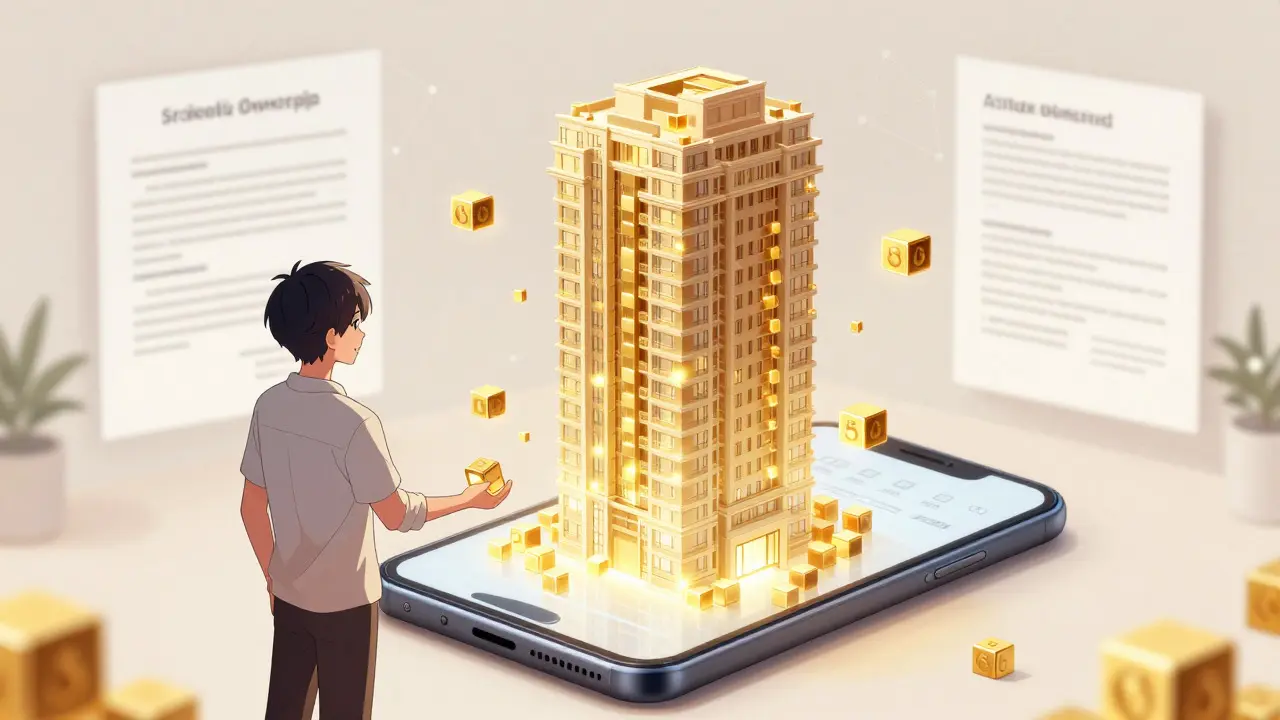
- Fractional Ownership: Real estate and private equity usually require hundreds of thousands of dollars to enter. Tokenization breaks these assets into tiny pieces. You might be able to invest $500 in a multi-million dollar portfolio of commercial properties.
- Liquidity for Illiquid Assets: Selling a piece of real estate takes months. Selling a tokenized share can happen in seconds on secondary markets. This unlocks capital that was previously stuck in long-term holdings.
- Global Access and Efficiency: Traditional cross-border investments involve lawyers, banks, and days of waiting. Blockchain settlement happens near-instantly, reducing administrative costs and friction.
Step-by-Step: How to Buy Your First Security Token
The process is more structured than buying crypto on an unregulated exchange. Here is the practical workflow for a retail investor in 2026:
- Choose a Regulated Platform: You cannot buy security tokens on just any exchange. You need a platform licensed to handle digital securities. Look for platforms that are registered with relevant authorities (like the SEC in the US or FCA in the UK). Popular options include tZERO, Securitize, and various regional exchanges like Swissquote or Bakkt.
- Complete KYC and AML Verification: This is non-negotiable. Because these are regulated securities, the platform must verify your identity (Know Your Customer) and ensure your funds aren’t from illicit sources (Anti-Money Laundering). Expect to upload your passport, proof of address, and potentially tax identification numbers. This process can take anywhere from a few hours to a few days.
- Check Investor Eligibility: Not every token is available to everyone. Many offerings are restricted to "Accredited Investors"-individuals with a net worth over $1 million (excluding primary residence) or an annual income over $200k ($300k with a spouse). However, some jurisdictions allow "Retail Investors" to participate in certain types of offerings (like Regulation Crowdfunding in the US or specific EU exemptions). Read the offering documents carefully.
- Fund Your Account: Most platforms accept bank transfers (wire or ACH) and sometimes stablecoins like USDC. Crypto deposits are becoming more common but may trigger additional tax events depending on your local laws.
- Select and Purchase Assets: Browse the marketplace. You’ll see details like the underlying asset, expected yield (dividends or rent), risk rating, and lock-up periods. Once you decide, execute the purchase. The tokens will appear in your digital wallet within the platform.
Types of Assets You Can Tokenize
The beauty of security tokens is their versatility. They can represent almost any valuable asset. Here is what is currently dominating the market:
| Asset Type | Description | Risk Profile | Potential Yield |
|---|---|---|---|
| Real Estate | Fractional ownership of residential or commercial properties. | Medium | Rental income + appreciation |
| Private Equity | Shares in startups or pre-IPO companies. | High | Capital gains upon exit/IPO |
| Bonds & Debt | Government or corporate debt instruments. | Low to Medium | Fixed interest payments |
| Commodities | Gold, silver, oil, or agricultural products. | Variable | Price appreciation |
| Funds | Tokenized versions of traditional hedge or mutual funds. | Varies | Dividends/Distributions |
Key Risks to Watch Out For
No investment is risk-free, and security tokens introduce unique challenges alongside traditional market risks. Liquidity Risk: While better than physical real estate, secondary markets for security tokens are still developing. You might find yourself holding a token with no buyers for months. Check the trading volume history of the asset before buying. Regulatory Uncertainty: Laws are evolving rapidly. A token compliant today might face new restrictions tomorrow. Jurisdiction matters immensely; a token valid in Singapore might not be tradable in New York. Smart Contract Risk: Although audited, the code governing your token isn’t immune to bugs or hacks. Reputable platforms use multiple audits and insurance funds, but due diligence is key. Platform Risk: Since you often hold tokens in a custodial account, the platform itself becomes a counterparty risk. If the exchange goes bankrupt or gets hacked, accessing your assets could become difficult. Diversify across reputable platforms if possible.
Choosing the Right Platform
Not all security token platforms are created equal. When evaluating where to invest, look for these criteria:
- Regulatory Licenses: Does the platform hold necessary licenses in your jurisdiction? Is it a member of recognized industry bodies?
- Custody Solutions: Who holds the keys? Top-tier platforms partner with qualified custodians (like BNY Mellon or Coinbase Custody) to safeguard assets.
- User Experience: The interface should be intuitive. Complicated dashboards can hide fees or make tracking performance difficult.
- Fee Structure: Watch out for hidden costs. There may be issuance fees, trading fees, custody fees, and withdrawal fees. Transparent pricing is a sign of a trustworthy platform.
Tax Implications: Don’t Get Surprised
This is where many new investors stumble. Security tokens are treated similarly to traditional securities for tax purposes, but the blockchain aspect adds complexity. Capital Gains: When you sell a security token for a profit, you typically owe capital gains tax. The rate depends on how long you held the asset (short-term vs. long-term). Dividends and Income: If your token pays out regular dividends (e.g., from rental income), this is usually taxed as ordinary income. Record Keeping: Blockchain provides an immutable record, which is great for auditing. Keep screenshots of your transactions, dates, and prices. Some platforms provide automated tax reports, but always verify them with a professional accountant familiar with digital assets. Note: Tax laws vary wildly by country. In the UK, HMRC treats cryptoassets as property, meaning Capital Gains Tax applies. In the US, the IRS views them as property too. Consult a tax advisor before making significant moves.
Future Outlook: Where Is This Heading?
By late 2026, we are seeing a convergence of traditional finance (TradFi) and decentralized finance (DeFi). Banks are launching their own tokenized deposit programs. Governments are exploring Central Bank Digital Currencies (CBDCs) that interact seamlessly with security tokens. Interoperability is improving. Soon, you might be able to move your security tokens between different blockchains (like Ethereum, Polygon, or Solana) without losing compliance data. This will further reduce costs and increase speed. For the average investor, this means lower barriers to entry and more diverse investment options. The days of needing a millionaire friend to get into private deals are fading. However, the responsibility to educate yourself remains yours. The technology empowers you, but it doesn’t replace the need for sound financial judgment.
Are security tokens safe?
Security tokens are generally safer than unregulated cryptocurrencies because they are backed by real assets and subject to securities laws. However, they carry risks such as platform failure, smart contract bugs, and liquidity issues. Always use regulated platforms and diversify your investments.
Do I need to be an accredited investor?
It depends on the specific token offering and your location. Many high-value private equity tokens are restricted to accredited investors. However, some platforms offer access to retail investors through specific regulatory exemptions, allowing smaller investments in real estate or funds.
How do I store security tokens?
Most security tokens are held in custodial wallets provided by the trading platform to ensure ongoing compliance. As technology matures, self-custody solutions compatible with compliance standards are emerging, but for now, relying on a qualified custodian is the standard practice.
What are the fees associated with investing?
Fees can include platform registration fees, trading commissions (usually 0.5% to 2%), custody fees (annual percentage of assets), and withdrawal fees. Always check the fee schedule before signing up, as these costs can eat into returns, especially for smaller portfolios.
Can I trade security tokens 24/7?
Technically, yes, because blockchains operate continuously. However, actual trading hours depend on the secondary market platform you use. Some operate 24/7, while others mimic traditional market hours. Liquidity is also a factor; there may not be buyers available at all times.
Comments (20)
Look! This is actually a solid breakdown of the mechanics involved here! Most people just scream 'SCAM' without reading the fine print! You have to respect the regulatory framework if you want to play in the big leagues! The KYC process is annoying, sure, but it keeps the riffraff out! It’s about building wealth, not chasing memes! Get your passport ready and stop complaining about paperwork!
Oh wow, another guide on how to give your data to Big Tech while pretending it's 'decentralized' 🙄. I love how they say 'instant settlement' but then make you wait three days for KYC approval 😂. It’s like saying a Ferrari is fast even though the keys are held by your mom. Still, good luck to those who enjoy filling out forms for fun! 📝💸
This is very promising for small investors! We can finally participate in real estate without millions! Keep learning and stay positive! The future is bright for everyone who tries! Let's grow together! 💪
The nuance here is often lost on the masses. It’s not just about buying a token; it’s about understanding the legal wrapper around that digital receipt. Think of it as a velvet rope at an exclusive club, except the bouncer is a smart contract. If you don’t have the right credentials, the door simply won’t open. It’s elegant, in a bureaucratic sort of way.
they claim compliance by design but its just code written by suits trying to control us again. ERC-3643 is a trap. they track every move. watch your wallet. the SEC wants your soul not your money. trust no one.
I feel so tired just reading this. Why do we need more complexity? Just let me buy the house. 😩
It makes one ponder the nature of ownership itself. When a piece of a London apartment becomes a string of hexadecimal code, does the value reside in the brick or the belief? Perhaps the true asset is the shared hallucination of liquidity. A fascinating philosophical shift disguised as financial innovation.
Hey folks, this is huge! Imagine owning a slice of a startup from anywhere in the world! It’s all about breaking down barriers and letting everyone in on the action! Let’s embrace this new era of finance! 🌍✨
I’m just watching from the sidelines with a cup of tea. It seems like a lot of noise for what is essentially a digital share certificate. But hey, if it works for you, knock yourself out. I’ll stick to my index funds and ignore the blockchain buzzwords.
the decentralization narrative is a lie they feed you to keep you compliant. you are still subject to the whims of the custodian. think about it. who really holds the keys? not you. never you. wake up sheeple.
It is evident that this is merely a mechanism for the elite to launder their ill-gotten gains through a veneer of technological sophistication. The 'regulatory clarity' mentioned is nothing more than a leash tightened around the necks of the common man. One must remain vigilant against such insidious encroachments upon personal liberty.
One must consider the implications of fractional ownership on market stability. If liquidity increases artificially, does it distort the underlying value of the asset? It is a complex interplay between technology and traditional economics that requires careful scrutiny.
Actually, most people don't realize that accredited investor status is changing slightly with Reg CF. You don't always need a million dollars. Do your research before dismissing it entirely. It's accessible now. 😉
its just another way for the government to spy on your transactions. they want to know where your money goes. privacy is dead. long live the surveillance state. dont fall for it.
You guys are missing the point completely! It's about empowerment! Stop being so negative and try to see the beauty in the tech! It's going to change everything! Trust me on this one! ❤️
Let's keep the discussion respectful. Some people are excited, others are skeptical. Both views are valid. The key is to educate ourselves and make informed decisions. There's room for everyone in this new landscape.
I hear your concerns about privacy, but remember the safety net these regulations provide. It’s a balance. We need protection from scams just as much as we need freedom. Let’s find a middle ground where innovation thrives without compromising security.
Well, I suppose if you enjoy handing over your identity documents to a faceless corporation that might sell them to advertisers, then by all means, go ahead! It’s not like there are any risks involved in trusting a platform that could vanish overnight! Oh wait, yes there are! But sure, let’s pretend the 'compliance-by-design' isn't just a fancy term for 'we can freeze your assets anytime'! It’s hilarious how people miss the forest for the trees!
i think this is kinda cool but i get nervous about the tech part. hope it works out for everyone. typos aside lol.
Great points raised here. The distinction between utility tokens and security tokens is crucial. Don't mix them up. Stay safe and diversify your portfolio. Knowledge is power.