
There’s no such thing as a traditional OneRare Ingredient NFT airdrop. If you’re looking for free NFTs dropped into your wallet like some crypto projects do, you won’t find it here. OneRare doesn’t hand out ingredient NFTs randomly. Instead, it builds value through gameplay, scarcity, and real-world food culture - and that’s where the real reward lies.
What OneRare Actually Does
OneRare, also known as the Foodverse, isn’t just another blockchain game. It’s a living, breathing digital world built around global cuisine. Think of it as a multiplayer cooking simulator where every ingredient, every dish, and every kitchen tool is an NFT you can earn, trade, and use.
The platform launched its first major zone - The Gaming Zone - on Polygon in late 2024. It’s not a flash-in-the-pan experiment. OneRare has been building this since Q4 2021. And now, thousands of players are actively farming, cooking, and trading food NFTs every day.
How You Get Ingredient NFTs (It’s Not an Airdrop)
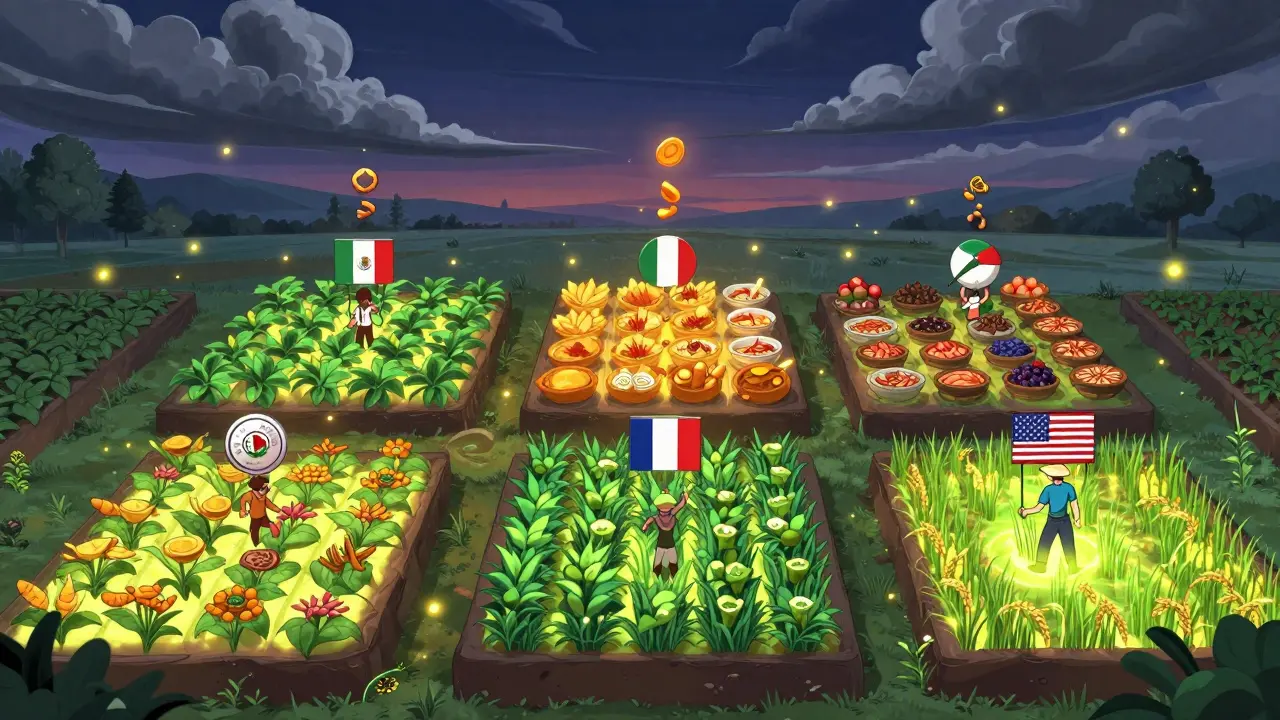
You don’t get ingredient NFTs by signing up or sharing a tweet. You earn them by staking ORARE tokens - the native currency of the Foodverse - in one of six themed farming pools.
Each pool represents a different cuisine: Indian, Italian, Japanese, Mexican, French, and American. When you stake your ORARE in, say, the Indian pool, you start earning randomized ingredient NFTs over time. These aren’t guaranteed. You might get onions, tomatoes, turmeric, or even rare items like saffron. You can’t choose which one you’ll get. The system randomly assigns them based on pool activity and environmental conditions.
Here’s the catch: every hour, a fixed number of ingredient NFTs are emitted. The more people staking in a pool, the slower the emission rate per user. It’s not a race. It’s a steady flow. You’re not hunting for drops. You’re tending a farm.
The Four Zones of the Foodverse
Once you start earning ingredients, the real game begins. The Foodverse is split into four zones:
- Farm: This is where you stake ORARE and earn ingredient NFTs. No action here = no rewards.
- Farmer’s Market: A bustling marketplace with three shops. You can sell ingredients you don’t need, buy rare ones you can’t farm (like truffles or caviar), or trade dish NFTs with other players.
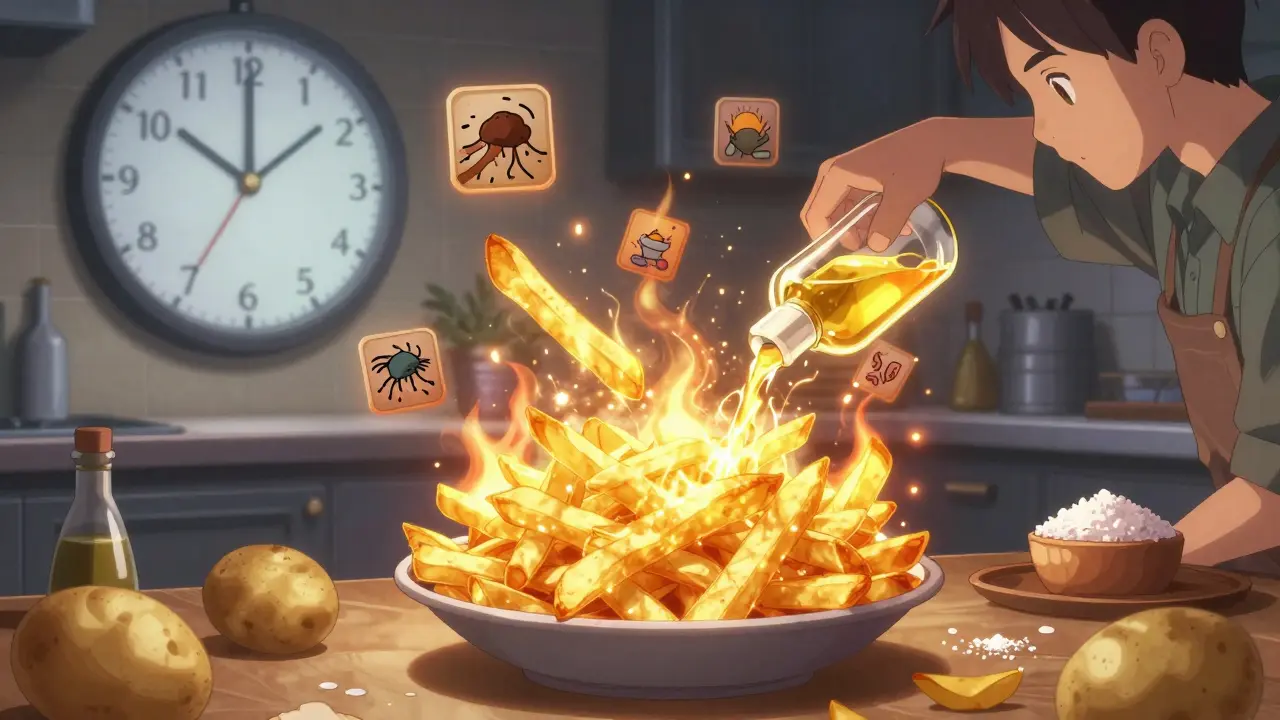
- Kitchen: This is where you turn ingredients into dishes. Combine potato, oil, and salt? You get French fries NFT. Add chili, beans, and cheese? You’ve minted a burrito. Once you cook, the ingredients are burned. Gone forever. That’s how scarcity works.
- Playground: Mini-games where you use your NFTs to win more. Race with a sushi NFT. Defend a pizza in a tower defense game. Win extra ingredients or exclusive dish NFTs.
There’s no level-up system. No XP. Your progress is measured in what you’ve cooked, what you’ve traded, and what you’ve saved.
Why Ingredient NFTs Have Real Value
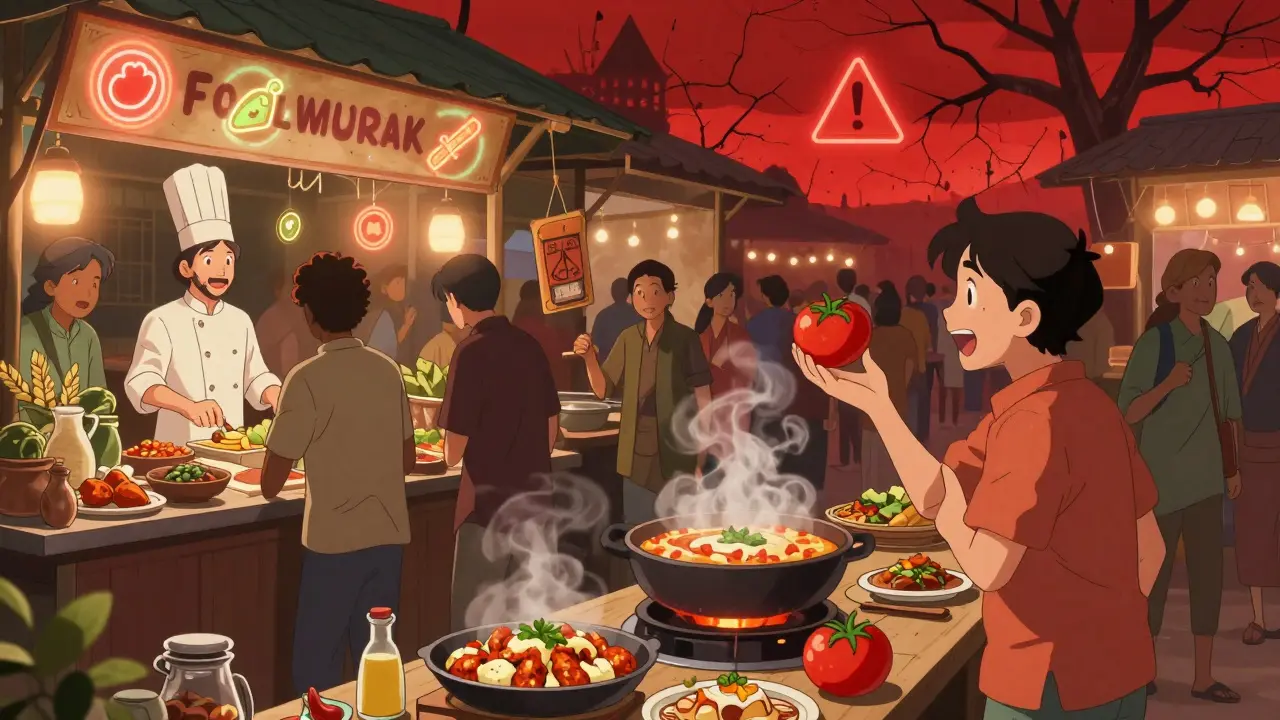
OneRare doesn’t just slap NFTs on food. It simulates real-world agriculture. The Farm doesn’t just grow ingredients - it battles climate.
Every few days, random environmental events hit:
- Droughts wipe out tomato crops for 72 hours.
- Floods ruin rice paddies in the Japanese pool.
- Pest attacks destroy herb farms in the French zone.
- Heatwaves spike oil prices at the Farmer’s Market.
These aren’t just cosmetic. They directly affect supply. If tomatoes vanish from the Farm, their price in the Market jumps. Players who hoarded tomato NFTs before the drought make a profit. Those who didn’t? They scramble to buy or trade.
This isn’t fantasy. It’s economics. And it’s why ingredient NFTs aren’t just collectibles - they’re assets with volatile, real-time value.
Who’s Behind the Foodverse?
OneRare isn’t just a team in a garage. They’ve brought in real chefs, real restaurants, and real culinary icons.
Collaborations include:
- Saransh Goila - Indian Michelin-star chef
- Zorawar Kalra - Known for Indian fine dining
- Anthony Sarpong - Michelin-starred chef from Ghana
- Reynold Poernomo - MasterChef Australia finalist
These chefs don’t just lend their names. They’ve minted exclusive NFTs for signature dishes: Goila’s butter chicken, Kalra’s paneer tikka, Poernomo’s slow-cooked lamb. These aren’t farmable. You can’t cook them. You can only buy or trade them.
And OneRare isn’t stopping at chefs. They’ve started working with U.S. restaurant chains. Imagine owning an NFT of a classic diner burger - not as a meme, but as a digital collectible tied to a real-world brand.
Why Polygon? Why Not Ethereum?
OneRare runs on Polygon. Not because it’s trendy. Because it works.
Gas fees on Ethereum can make small trades impossible. OneRare’s whole model relies on frequent, low-cost transactions: buying an onion, selling a potato, cooking a stir-fry. Polygon makes that possible. Transactions cost pennies. They confirm in seconds.
That’s why average users - not just crypto traders - can actually play. You don’t need a $500 wallet. You don’t need to understand DeFi. You just need to know how to cook.
What You Can’t Do
There’s no airdrop. No free claim. No whitelist. No referral bonus.
If someone tells you they’re giving away free OneRare ingredient NFTs, they’re lying. Or worse - they’re running a scam.
The only way in is to stake ORARE. The only way up is to cook, trade, and adapt to the Farm’s ever-changing weather.
Is It Worth It?
Some people treat this like a lottery. They stake small amounts hoping for a rare truffle NFT. Others treat it like a business. They farm ingredients, hold them through droughts, sell when prices spike, and reinvest.
There’s no guaranteed profit. But there’s real skill. You learn which crops are volatile. You track environmental cycles. You build relationships with traders in the Market.
It’s not gambling. It’s strategy. And it’s one of the few Web3 games where you don’t need to kill monsters to win.
Is there a OneRare Ingredient NFT airdrop?
No, OneRare does not run traditional airdrops for ingredient NFTs. All ingredient NFTs are earned by staking ORARE tokens in one of the six themed farming pools. There are no free claims, no sign-up bonuses, and no random distributions.
How do I start earning ingredient NFTs?
You need to connect a wallet (like MetaMask) to the OneRare platform, buy ORARE tokens on a supported exchange, and stake them in one of the six cuisine-based farming pools. The longer you stake, the more ingredient NFTs you earn over time.
Can I trade ingredient NFTs for real money?
Yes. You can sell ingredient NFTs on the Farmer’s Market to other players using ORARE tokens. The value of each NFT fluctuates based on supply, demand, and environmental events. Some rare ingredients have sold for hundreds of dollars in secondary markets.
What happens to my ingredients when I cook a dish?
They’re burned permanently. Once you combine ingredients to mint a dish NFT, the original NFTs are destroyed. This creates scarcity and gives each dish unique value. You can’t undo a recipe.
Are there any exclusive NFTs I can’t earn by farming?
Yes. OneRare has partnered with chefs and restaurants to mint special NFTs for signature dishes. These are not farmable and can only be acquired through the Farmer’s Market or special events. Examples include Saransh Goila’s butter chicken and Zorawar Kalra’s paneer tikka.
Do environmental events affect all players the same way?
Yes. Environmental events like droughts or pest attacks affect entire pools. If tomatoes vanish from the Indian pool, every farmer in that pool stops receiving tomato NFTs until the event ends. This impacts supply for everyone and drives up prices in the Market.
What Comes Next?
OneRare is expanding. New cuisine pools are coming. More chef collabs are in the works. And they’re testing a mobile version so you can farm on the go.
But the core hasn’t changed. This isn’t about quick cash. It’s about culture. It’s about learning how food connects people - even in a digital world. If you care about cooking, collecting, or just playing a game that feels different, the Foodverse is waiting.
Forget airdrops. The real reward is what you make with your hands - even if those hands are digital.
Comments (20)