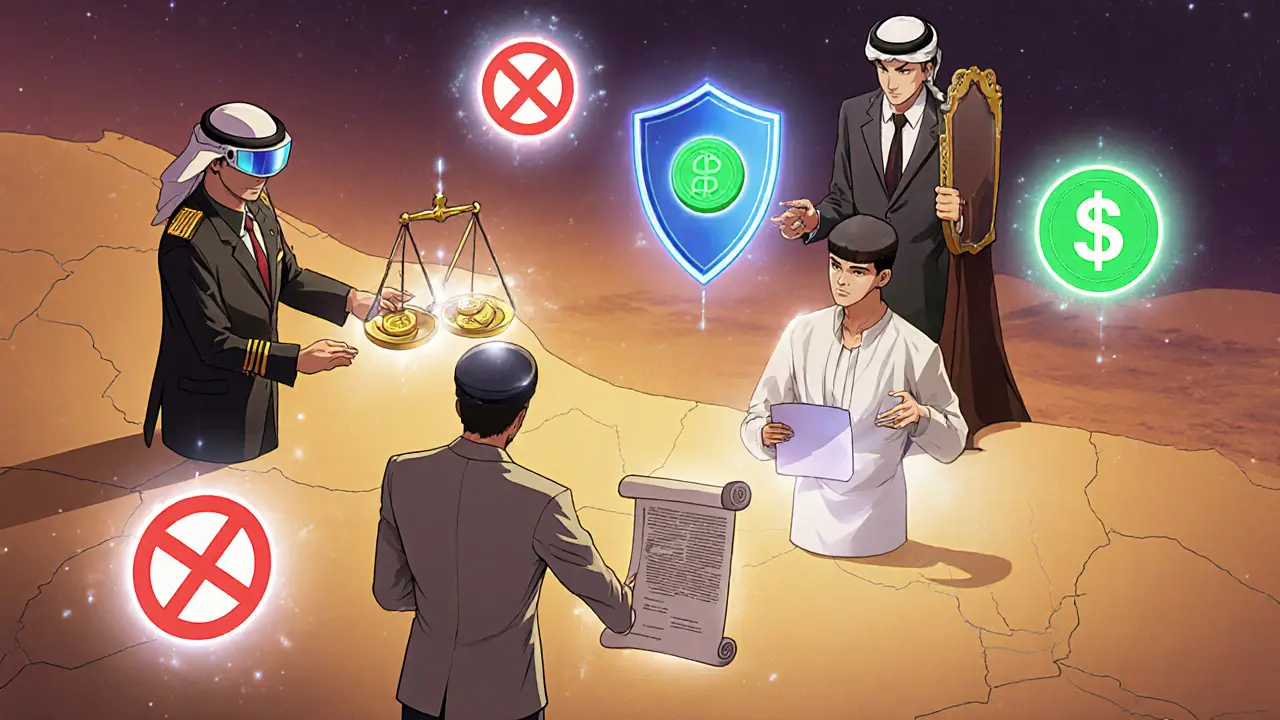
Digital Asset Regulations GCC: What You Need to Know About Crypto Rules in the Gulf
When it comes to digital asset regulations GCC, the collective crypto and blockchain rules adopted by Gulf Cooperation Council nations. Also known as Gulf crypto laws, it isn't just about banning or allowing crypto—it's about control, taxation, and who gets to operate legally in the region. Unlike places like the U.S. or Europe, the GCC doesn’t have one unified rulebook. Instead, each country—UAE, Saudi Arabia, Qatar, Kuwait, Bahrain, and Oman—is building its own framework, often faster than anywhere else in the world.
The UAE, a major hub for crypto firms and blockchain startups. Also known as Dubai crypto center, it has licensed exchanges like Binance and Bybit under its Virtual Assets Regulatory Authority (VARA). Meanwhile, Saudi Arabia, the region’s largest economy. Also known as KSA crypto market, it has moved from outright bans to a strict licensing system under the Capital Market Authority (CMA). These aren’t just paperwork changes—they affect how you trade, where you can hold assets, and whether your wallet is legally protected. If you’re using a local exchange or investing in a regional project, you’re already inside this regulatory net.
What’s missing? A lot of clarity for everyday users. Tax rules? Still changing. Can you mine crypto in Qatar? Unclear. Is a DeFi wallet legal in Oman? No official answer yet. That’s why so many guides focus on compliance, not just tech. You don’t need to be a lawyer to trade crypto here, but you do need to know who’s watching. The digital asset regulations GCC are tightening fast, and the ones who adapt early are the ones who stay in business.
You’ll find real examples below—from how Bahrain’s regulator approves token launches, to how Saudi firms handle KYC for international users, to why UAE exchanges now require biometric verification. These aren’t theoretical policies. They’re daily realities for traders, investors, and developers across the region. What you read here isn’t speculation—it’s what’s happening now, on the ground, in the Gulf.