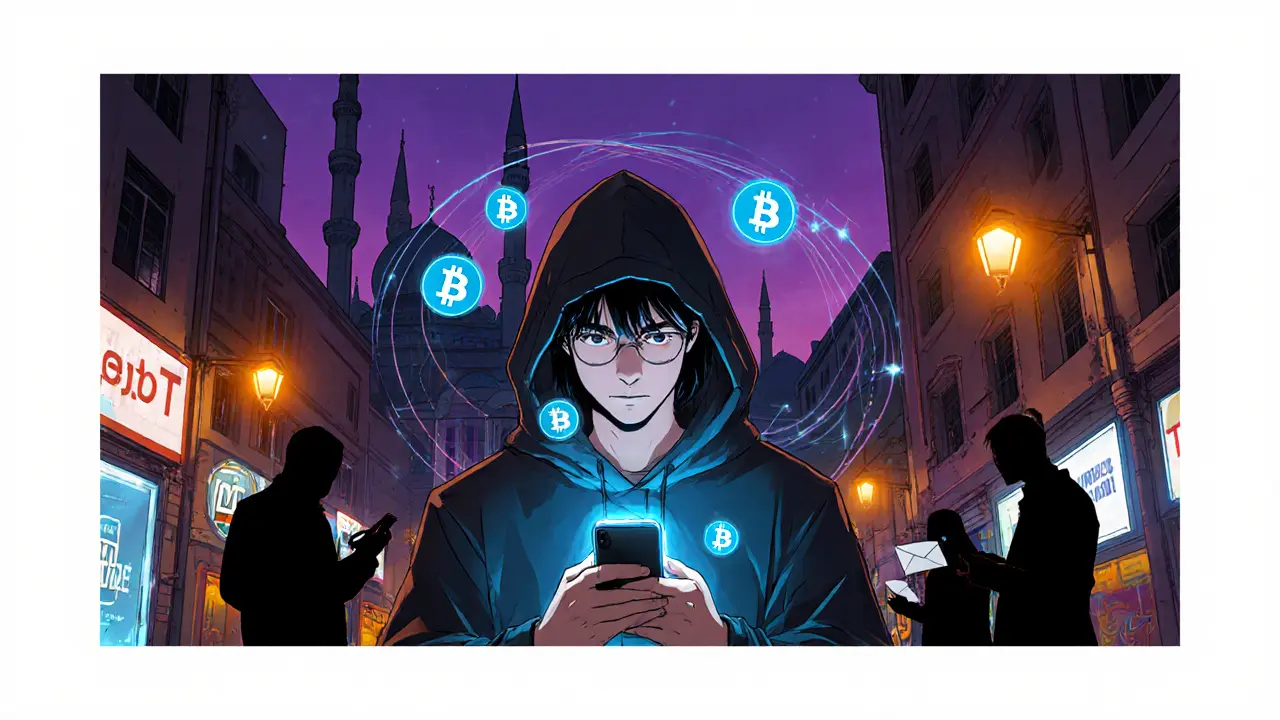
Egypt Crypto P2P: What It Is and Why It Matters
When working with Egypt crypto P2P, the peer‑to‑peer cryptocurrency ecosystem that operates inside Egypt's borders. Also known as Egyptian P2P crypto market, it lets users swap Bitcoin, USDT and other coins directly, bypassing centralized exchanges. This model depends on local payment methods, trust circles and often a bit of technical know‑how. The Bitcoin P2P network, the underlying decentralized protocol that enables direct node‑to‑node communication is the backbone that makes any country‑specific P2P scene possible. In Egypt, traders tap into this network to find counterparties, broadcast offers and settle deals without a middle‑man. That means understanding how full nodes, peer discovery and escrow services work is essential before you start moving money. Regulatory pressure shapes the whole experience. Egyptian crypto regulations, the set of laws and guidelines issued by the Central Bank and financial authorities determine which platforms stay online, what KYC checks are required, and how tax is applied. Because the rules are still evolving, staying updated can be the difference between a smooth trade and a frozen account.
Tools, Risks and Best Practices for Egyptian P2P Traders
One practical tool that shows up again across the region is the VPN for crypto, a virtual private network that masks your IP address and encrypts traffic. Egyptian users often rely on VPNs to access foreign P2P platforms or to avoid throttling by local ISPs. However, using a VPN also adds a layer of risk – if the provider logs activity, you could expose yourself to legal scrutiny. Choose a reputable, no‑log service and always double‑check the server location. Risk management is another core pillar. The P2P scene is attractive because it offers higher margins than centralized exchanges, but it also brings scams, payment fraud and price volatility. Learning how escrow contracts work, verifying counterparties through social proof, and diversifying the coins you trade are proven ways to reduce loss exposure. Remember, the Bitcoin P2P network itself provides built‑in escrow options, but third‑party escrow services can add extra security if you’re dealing with large sums. Finally, keep an eye on market signals. When the Central Bank hints at tighter crypto rules, P2P volumes usually spike as traders rush to lock in positions before potential restrictions. Monitoring official statements, local news outlets, and community groups on Telegram gives you a heads‑up on upcoming changes. By aligning your trading schedule with regulatory cycles, you can capture better spreads and avoid sudden service shutdowns.
Armed with this overview, you’re ready to explore the specific guides, token analyses and airdrop alerts that follow. Below you’ll find deep dives into synthetic tokens, regional tax regimes, VPN safety tips and more – all curated to help you navigate Egypt’s vibrant crypto P2P landscape with confidence.