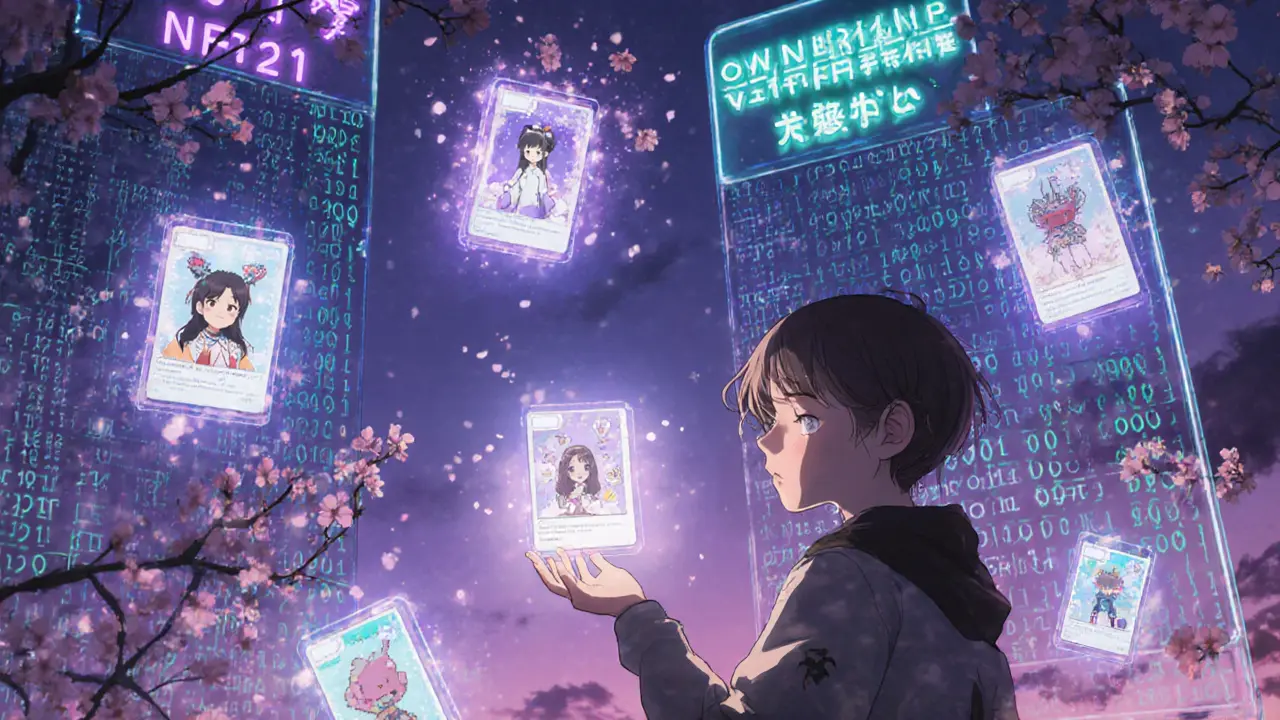
ERC-721: What It Is and Why It Powers NFTs You Can Own
When you buy a digital artwork, a virtual sneaker, or a rare in-game sword, you’re not just downloading a file—you’re owning something unique on the blockchain. That’s thanks to ERC-721, a technical standard on Ethereum that creates unique, non-interchangeable digital tokens. Also known as non-fungible token standard, it’s what lets one NFT be completely different from another, even if they’re on the same network. Unlike regular crypto tokens like ETH or USDT, where one unit is exactly the same as another, ERC-721 tokens are one-of-a-kind. Each has its own ID, metadata, and ownership history. That’s why your Bored Ape isn’t just a copy of someone else’s—it’s your specific token, verifiable on the blockchain.
ERC-721 isn’t just about art. It’s the backbone of digital collectibles, virtual real estate, game items, and even event tickets. Think of it like a digital deed: it proves you own something, not just access to it. Platforms like OpenSea, Rarible, and even games like Axie Infinity rely on ERC-721 to make sure your items can’t be duplicated or taken away. It’s also what lets you sell your NFTs on secondary markets without needing a middleman. This standard doesn’t just track ownership—it enables entire economies built on uniqueness.
Related to ERC-721 is the concept of Ethereum tokens, digital assets built on the Ethereum blockchain. While ERC-20 tokens (like USDC or LINK) are fungible and used for payments or staking, ERC-721 tokens are for ownership. Then there’s NFTs, the consumer-facing term for assets created using ERC-721 and similar standards. NFTs are what you see in marketplaces, but ERC-721 is the engine underneath. And while newer standards like ERC-1155 offer more flexibility (handling both fungible and non-fungible tokens in one contract), ERC-721 remains the most trusted and widely adopted for true one-of-a-kind assets.
You’ll find posts here that dig into NFT projects built on ERC-721, how gas fees affect buying them, scams to avoid, and even how some tokens tied to games or collectibles use this standard to prove rarity. Whether you’re holding a digital punk or wondering why your in-game sword can’t be copied, the answer starts with ERC-721. Below, you’ll see real examples—some successful, some faded—of how this standard plays out in the wild.