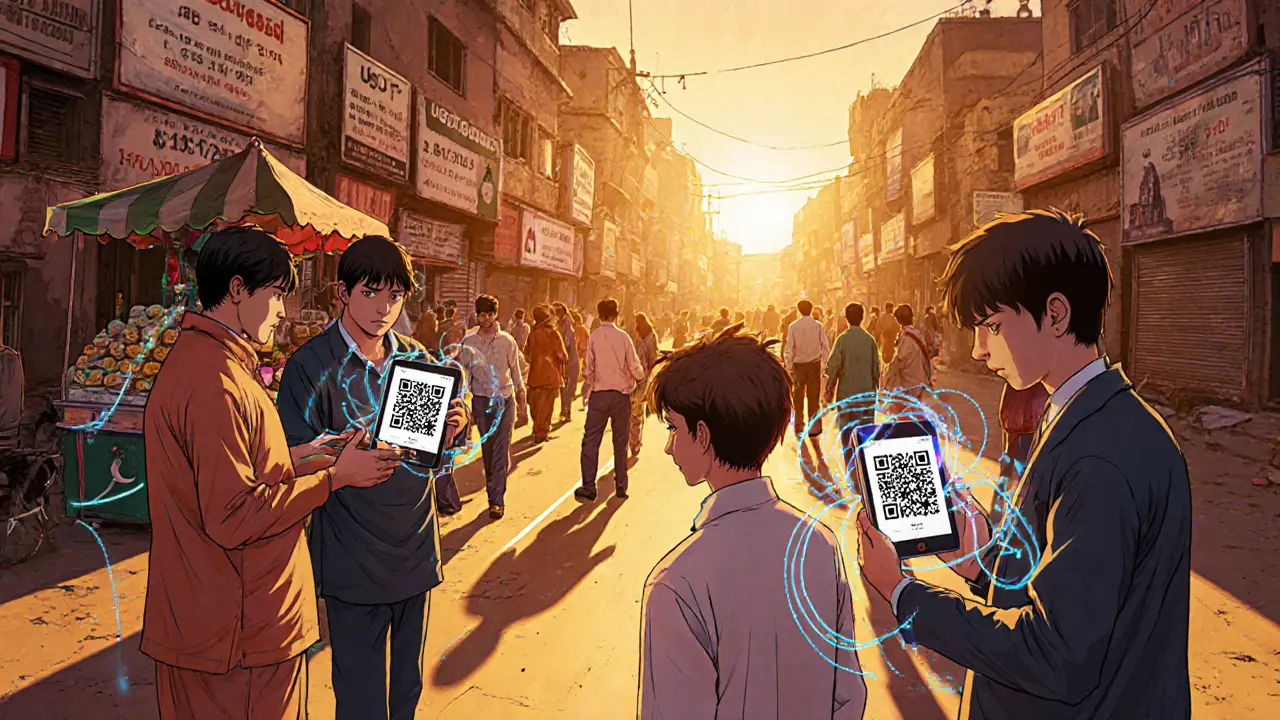
Pakistan Crypto Adoption: How People Are Using Bitcoin and Crypto Despite Restrictions
When banks block access to foreign currency and inflation eats away at savings, people find other ways to protect their money. In Pakistan crypto adoption, the grassroots use of digital currencies to bypass financial restrictions and preserve wealth. Also known as crypto-driven financial inclusion, it’s not about speculation—it’s survival. While official policies stay unclear, millions of Pakistanis are quietly turning to Bitcoin, USDT, and other cryptos through peer-to-peer platforms like Paxful and LocalBitcoins. This isn’t a trend—it’s a response to real economic pressure.
What makes Pakistan’s case unique is how ordinary people bypass the system. You won’t find crypto ATMs or regulated exchanges dominating the scene. Instead, you’ll find students, shopkeepers, and freelancers trading crypto over WhatsApp, using bank transfers to send USDT in exchange for PKR. The P2P crypto Pakistan, a decentralized, cash-based crypto trading model that thrives without official approval. Also known as offline crypto networks, it’s how people pay for imports, send remittances, and save for emergencies. This isn’t illegal—it’s unregulated. The State Bank of Pakistan warns against crypto, but it doesn’t have the tools to stop it. And with over 60% of the population under 30, digital tools spread fast.
Bitcoin isn’t used for buying coffee here—it’s used as digital gold. People buy small amounts daily, hold them in hot wallets, and sell when the PKR drops. It’s not perfect. Scams exist. Some lose money to fake exchanges. But the real risk isn’t crypto—it’s losing everything to inflation. In 2024, Pakistan’s inflation hit 38%. Meanwhile, crypto prices in local currency rose. That’s not a coincidence. crypto regulation Pakistan, the uncertain legal stance that leaves users in a gray zone between prohibition and tolerance. Also known as crypto policy limbo, it’s why people avoid exchanges and stick to P2P. No one’s getting fined yet. No one’s going to jail. But no one’s getting protection either.
What you’ll find in the posts below are real stories and breakdowns of how crypto works on the ground in Pakistan—what tools people use, how they avoid detection, why USDT dominates, and how it compares to other countries like Egypt and Bangladesh. You’ll also see how these practices connect to global trends: VPN use for exchange access, the rise of meme coins as liquidity tools, and why seed phrase safety matters more than ever when you’re holding life savings in a phone. This isn’t theory. It’s what’s happening right now, in living rooms and markets across the country. And if you’re trying to understand crypto beyond Wall Street, this is where you start.