Stablecoins in Pakistan: What You Need to Know About Digital Dollars and Crypto Payments
When people in Pakistan need to hold value outside the rupee, stablecoins, digital tokens pegged to real-world assets like the U.S. dollar. Also known as digital dollars, they let users avoid inflation and currency controls without leaving the crypto world. Unlike Bitcoin or Ethereum, which swing wildly in price, stablecoins like USDT and USDC stay close to $1 — making them the go-to tool for everyday crypto use in countries with unstable local currencies.
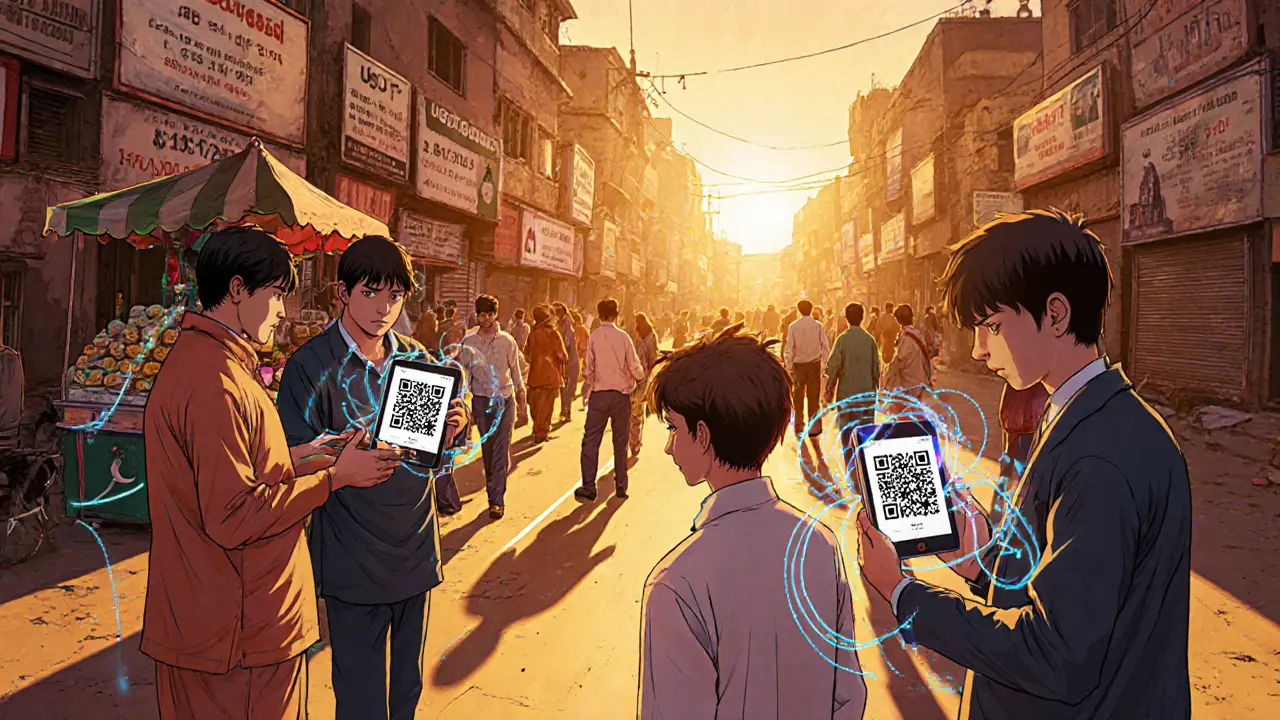
In Pakistan, where banks often block crypto transactions and the rupee loses value fast, stablecoins are more than a tech trend — they’re a survival tool. People use them to receive money from family abroad, buy goods online from international sellers, or even save for emergencies. Platforms like Binance P2P and LocalBitcoins let users trade PKR for USDT directly, often with cash deposits or bank transfers. This isn’t just for tech lovers — it’s for shop owners, students, and freelancers who need reliable access to global money. The real question isn’t whether stablecoins work in Pakistan — it’s how to use them safely when regulations are unclear and scams are everywhere.
Related tools like P2P crypto trading, peer-to-peer platforms that connect buyers and sellers without intermediaries. Also known as direct crypto exchanges, they make stablecoin access possible, but they come with risks. Fake escrow services, fake screenshots, and unverified traders can wipe out your savings fast. Then there’s crypto regulation in Pakistan, the ongoing legal gray area where the central bank warns against crypto but doesn’t fully ban it. Also known as Pakistan’s crypto policy, it leaves users in limbo — no clear rules, no official protection, but plenty of people using crypto anyway. You’ll find posts here that break down which stablecoins are safest, how to avoid P2P scams, and what to do if your account gets frozen. You’ll also see real stories from people who’ve used USDT to pay for medical bills, send money home, or buy hardware overseas — all without a bank’s permission. This isn’t speculation. It’s what’s happening right now, on the ground, in cities and towns across Pakistan.