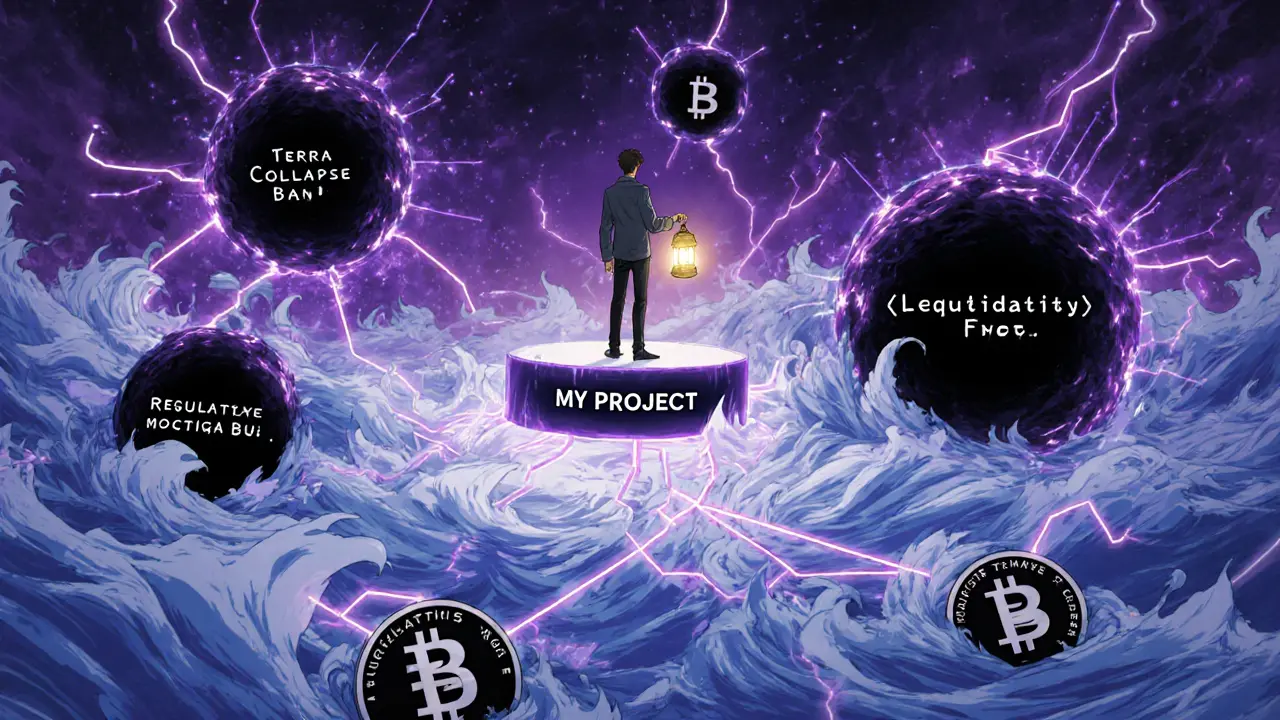
Systematic Risk Management in Crypto and Markets: How to Protect Your Assets
When you invest in crypto or stocks, you’re not just betting on a coin or a company—you’re betting on the whole system. Systematic risk management, the practice of protecting your portfolio from broad, unavoidable market-wide threats. It’s not about picking the next memecoin or timing a dip—it’s about surviving when everything crashes at once. This isn’t theoretical. In 2022, Bitcoin dropped 70%. Terra Luna collapsed. FTX blew up. And millions lost everything—not because they bought the wrong token, but because they had no plan for when the whole market turns toxic.
Systematic risk doesn’t care if you’re holding Bitcoin, Ethereum, or a Solana memecoin. It hits banks, exchanges, regulators, and even stablecoins all at once. That’s why crypto regulation, government rules that can freeze trading or ban assets overnight, is one of the biggest systematic risks today. Look at Turkey’s 2025 laws, Pakistan’s new crypto rules, or the Middle East’s banking bans. These aren’t isolated events—they’re signals that the system is shifting under your feet.
Then there’s DeFi risk, the hidden danger in decentralized finance protocols that can vanish without warning. You think your yield farm is safe because it’s on-chain? What if the smart contract has a flaw? What if the liquidity pool dries up? TheForce Trade (FOC), MUNITY, and EARL didn’t fail because they were bad ideas—they failed because no one was managing the systemic fragility behind them. Even big names like Balancer and Venus ETH carry this risk. If the Ethereum network slows, or Binance Smart Chain gets hacked, your returns evaporate—no matter how smart your strategy looks.
And don’t forget the human side. If you’re in Egypt, Bangladesh, or Pakistan, your risk isn’t just market volatility—it’s legal. P2P trading, VPN use, and underground exchanges aren’t hacks—they’re survival tactics in systems that actively block access. But even those tactics come with their own systemic traps: exchange bans, account freezes, and scams that prey on desperation.
So what do you do? You don’t try to predict the next crash. You build layers of protection. Diversify across chains. Keep some assets off exchanges. Understand how confirmation times affect your safety. Know which platforms actually work under pressure. Avoid tokens with zero liquidity and no real use. And always ask: if the whole system goes dark, will I still have something?
The posts below aren’t about hype or quick wins. They’re about the real, gritty details of staying alive in a volatile world—from how seed phrases get stolen, to why VPNs fail on exchanges, to which airdrops are scams and which are worth your time. This is systematic risk management in action—no fluff, no promises, just what works when everything else is falling apart.