
Have you heard about Coin163, a new cryptocurrency exchange platform that promises high returns and easy trading? You are not alone. In the crowded world of digital assets, new platforms pop up daily, often with flashy websites and bold claims. But here is the hard truth: if you cannot find reliable information about an exchange, that silence itself is a massive red flag.
As of May 2026, there is virtually no credible data on Coin163 from major financial authorities, reputable review sites, or regulatory bodies. This lack of transparency is not just inconvenient; it is dangerous. When you put your money into a black box, you are gambling, not investing. This review breaks down what we know-or rather, what we don’t know-about Coin163, why missing information matters, and how to protect your capital in 2026.
The Silence Around Coin163: What’s Missing?
In the cryptocurrency industry, trust is built on transparency. Legitimate exchanges like Coinbase or Kraken publish their team members, regulatory licenses, security audits, and fee structures openly. Coin163, however, lacks this basic foundation.
Here is what is conspicuously absent:
- Regulatory Licensing: No records of registration with the SEC, FCA, CySEC, or other major financial regulators.
- Team Identity: The founders and key personnel are anonymous or unverified. Who is behind the platform?
- User Reviews: There are no substantial reviews on Trustpilot, Reddit, or Bitconnect-style forums. Silence often means no real users-or users who couldn’t withdraw their funds.
- Security Audits: No public smart contract audits or penetration testing reports from firms like CertiK or Hacken.
- Clear Fee Structure: Hidden fees are a common tactic for shady platforms. Legit exchanges list trading, withdrawal, and deposit fees clearly.
This absence doesn’t automatically prove Coin163 is a scam, but it strongly suggests it operates outside standard compliance frameworks. In crypto, if it’s not documented, assume it’s risky.
How to Spot a Crypto Exchange Scam in 2026
You don’t need to be a cybersecurity expert to spot warning signs. Scammers use predictable patterns. Here are the most common tactics used by fraudulent platforms like potential impostors of Coin163:
- Unrealistic Promises: If a platform guarantees 10% daily returns or "risk-free" profits, run away. Crypto markets are volatile; no one can guarantee consistent high gains.
- Pressure to Deposit Quickly: Urgency is a manipulation tool. Legitimate brokers never pressure you to send money immediately.
- Poor Website Quality: Broken links, grammatical errors, and stolen images are cheap ways to build a facade. Check the domain age using tools like WHOIS. New domains (less than 6 months old) are suspect.
- Offshore or Fake Licenses: Some scams claim to have licenses from obscure jurisdictions with weak regulations. Verify any license number directly on the regulator’s official website.
- Withdrawal Issues: The ultimate test. If users report being unable to withdraw funds, especially after paying "taxes" or "fees," it’s a classic advance-fee fraud.
Always remember: if something feels too good to be true, it almost always is.

Legitimate Alternatives for Safe Trading in 2026
If you want to trade Bitcoin, Ethereum, or altcoins safely, stick to established platforms with proven track records. These exchanges prioritize user security, regulatory compliance, and transparent operations.
| Feature | Trusted Exchanges (e.g., Coinbase, Kraken) | Unknown Platforms (e.g., Coin163) |
|---|---|---|
| Regulatory Status | Licensed in US, EU, UK, etc. | No verifiable licenses |
| Security Audits | Regular third-party audits | No public audit reports |
| User Base | Millions of verified users | Unclear or non-existent |
| Fee Transparency | Clear fee schedules | Hidden or vague fees |
| Customer Support | Responsive, multi-channel support | Slow or non-existent support |
For beginners, Coinbase remains the top choice due to its intuitive interface and strong regulatory standing. For active traders, Binance offers deep liquidity and advanced tools. Always start with a small amount to test withdrawals before committing significant capital.
Protecting Your Funds: Best Practices
Even on legitimate exchanges, you must take responsibility for your security. Here are essential steps to keep your crypto safe:
- Enable Two-Factor Authentication (2FA): Use an authenticator app like Google Authenticator or Authy, not SMS, which can be SIM-swapped.
- Use Hardware Wallets: For long-term holdings, store your private keys offline using devices like Ledger or Trezor. Never leave large amounts on any exchange.
- Beware of Phishing: Only access exchanges via bookmarked URLs. Never click links in emails or messages claiming to be from support.
- Verify Domain Names: Scammers create lookalike sites (e.g., coin163-official.com). Double-check the URL carefully.
- Start Small: Test deposits and withdrawals with minimal amounts first. If you can’t withdraw $10, you won’t get $10,000 back.
Security is not a feature; it’s a habit. Make these practices part of your routine.
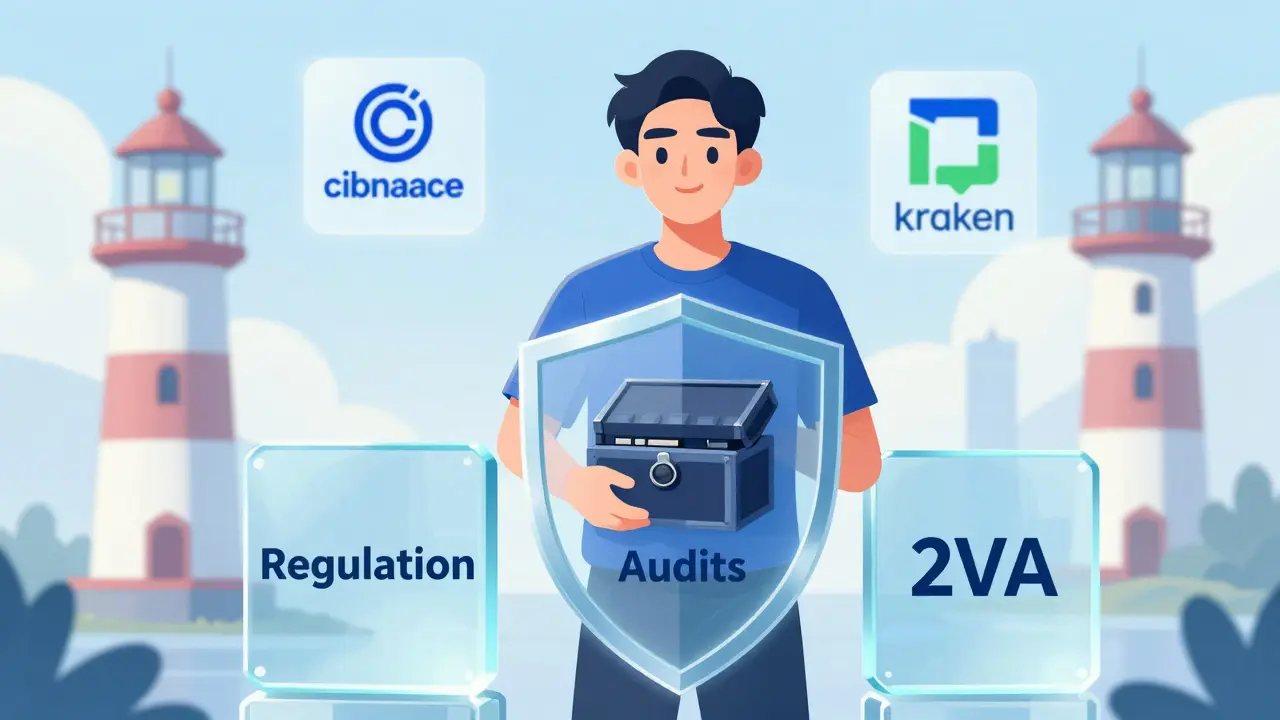
What to Do If You’ve Already Invested in Coin163
If you’ve sent funds to Coin163 and now face issues withdrawing, act quickly:
- Stop Sending More Money: Scammers often demand additional "fees" to release your funds. This is a trap.
- Document Everything: Save screenshots of transactions, chat logs, emails, and website URLs.
- Contact Your Bank or Payment Provider: If you paid via credit card or bank transfer, request a chargeback immediately. Time is critical.
- Report to Authorities: File complaints with the FTC, IC3 (Internet Crime Complaint Center), or your local financial regulator.
- Warn Others: Share your experience on Reddit, Trustpilot, and crypto forums to help prevent others from falling victim.
Recovery is difficult but not impossible. Persistence and proper documentation increase your chances.
Why Transparency Matters More Than Ever
The crypto market has matured significantly since 2020. Regulatory scrutiny is tighter, and users expect professionalism. Platforms that hide behind anonymity or vague claims are increasingly viewed as suspicious. In 2026, the trend is toward full disclosure: proof of reserves, regular audits, and clear governance.
When an exchange refuses to provide basic information, it’s not protecting your privacy-it’s hiding something. Always choose platforms that welcome scrutiny. Your financial safety depends on it.
Is Coin163 a legitimate crypto exchange?
There is no verifiable evidence that Coin163 is a legitimate, regulated crypto exchange. It lacks regulatory licenses, public team information, user reviews, and security audits. Treat it as high-risk until proven otherwise.
How can I check if a crypto exchange is safe?
Verify regulatory licenses on official government websites, check for independent security audits, read user reviews on trusted platforms, and ensure the exchange discloses its team and fee structure clearly.
What should I do if I can’t withdraw from Coin163?
Stop sending more money, document all communications, contact your payment provider for a chargeback, and report the issue to financial authorities like the FTC or IC3.
Are there better alternatives to Coin163?
Yes. Established exchanges like Coinbase, Kraken, Binance, and Uphold offer transparent operations, regulatory compliance, and robust security features. Always prefer platforms with proven track records.
Can I recover my funds if Coin163 turns out to be a scam?
Recovery is challenging but possible through chargebacks with banks or credit cards, and legal action. Act quickly, preserve evidence, and report to authorities to improve your chances.
Why is transparency important for crypto exchanges?
Transparency builds trust and ensures accountability. Licensed exchanges undergo regular audits and comply with anti-money laundering laws, protecting users from fraud and insolvency risks.
What are the biggest red flags for crypto scams?
Red flags include guaranteed high returns, pressure to deposit quickly, anonymous teams, fake licenses, poor website quality, and inability to withdraw funds.
Should I use two-factor authentication on crypto exchanges?
Absolutely. Enable 2FA using an authenticator app to add a critical layer of security against unauthorized access to your account.
How do I verify a crypto exchange’s license?
Visit the official website of the claimed regulatory body (e.g., SEC, FCA, CySEC) and search their registered entities database using the exchange’s name or license number.
Is it safe to keep large amounts of crypto on an exchange?
No. For long-term storage, use hardware wallets like Ledger or Trezor. Exchanges are vulnerable to hacks and insolvency; only keep what you’re actively trading.