
Ever since the 2021 craze, digital art has moved from a niche hobby to a legitimate asset class. But if you've never touched a blockchain before, the idea of owning a piece of code that represents a digital image can feel like trying to learn a foreign language while blindfolded. The truth is, whether you're eyeing a piece of digital art, a gaming asset, or a membership pass, the process is surprisingly straightforward once you stop overthinking the jargon.
To get started, you need to understand that an NFT is a Non-Fungible Token, which is a unique digital identifier recorded on a blockchain that certifies ownership of a specific asset. Unlike Bitcoin, where every coin is the same, each NFT is one-of-a-kind. To trade them, you don't use a bank; you use a digital wallet and a marketplace.
The Essential Toolkit for NFT Trading
Before you can buy your first piece, you need a place to store it and the currency to pay for it. You can't just use a credit card on most platforms (though some are starting to allow it); you need a Crypto Wallet. Think of this as your digital passport and bank account rolled into one.
MetaMask is the industry standard for most beginners. It's a browser extension that lets you interact with the Ethereum network, where the vast majority of high-value NFTs live. Since most NFTs are priced in ETH (Ether), you'll need to buy some from an exchange like Coinbase or Binance and send it to your MetaMask address.
One thing that trips up newcomers is the concept of "gas fees." These aren't a platform charge, but a payment to the people running the network to process your transaction. On Ethereum, these can swing wildly from $10 to over $100 depending on how busy the network is. If you're on a budget, look for NFTs on Polygon or Solana, which offer much lower fees.
How to Buy Your First NFT
Once your wallet is funded and connected, you need a place to shop. OpenSea is the biggest player in the game, acting like the eBay of the digital world. However, if you're looking for high-end curated art, you might prefer SuperRare or Foundation.
- Connect Your Wallet: Click the wallet icon on the marketplace site and sign the request with your MetaMask. This doesn't give the site your money; it just identifies you.
- Browse and Filter: Use filters to find assets that fit your budget. Be careful with "floor price"-this is the cheapest item in a collection and often the easiest entry point.
- Check the Authenticity: Look for a verified checkmark on the collection. There are countless scams where people copy-paste a famous artist's work and try to sell it as an original.
- Execute the Purchase: Click "Buy Now" or place a bid. Your wallet will pop up asking you to confirm the transaction and the gas fee. Once you click "Confirm," the asset is transferred to your wallet automatically via a Smart Contract.
| Marketplace | Primary Blockchain | Best For | Fee Structure |
|---|---|---|---|
| OpenSea | Ethereum, Polygon, Solana | General Collections | ~2.5% service fee |
| SuperRare | Ethereum | High-end Digital Art | Curated/Higher Fees |
| Foundation | Ethereum | Independent Artists | Auction-based focus |
How to Sell and Mint NFTs
Selling is slightly different depending on whether you created the art yourself or you're flipping something you bought. If you're a creator, you first have to go through a process called Minting. This is essentially the act of publishing your digital file onto the blockchain, turning it from a simple JPEG or MP4 into a tradeable token.
Many creators now use "lazy minting." Instead of paying a hefty gas fee upfront to put the item on the blockchain, the marketplace hosts the file, and the actual minting happens only when someone buys it. The buyer usually covers the cost, which lowers the risk for the artist.
When it comes to pricing, you have two main routes:
- Fixed Price: You set a price (e.g., 0.5 ETH), and the first person to pay that amount gets it. This is best for items with a clear market value.
- Timed Auctions: You set a minimum starting price and a deadline. This is great for rare pieces where you want the community to drive the price up through competitive bidding.
Don't forget about royalties. One of the coolest things about NFTs is that creators can bake a royalty percentage (usually 5-10%) into the smart contract. Every time the NFT is resold from one person to another in the future, the original artist gets a cut of the sale automatically.
Avoiding the Common Traps
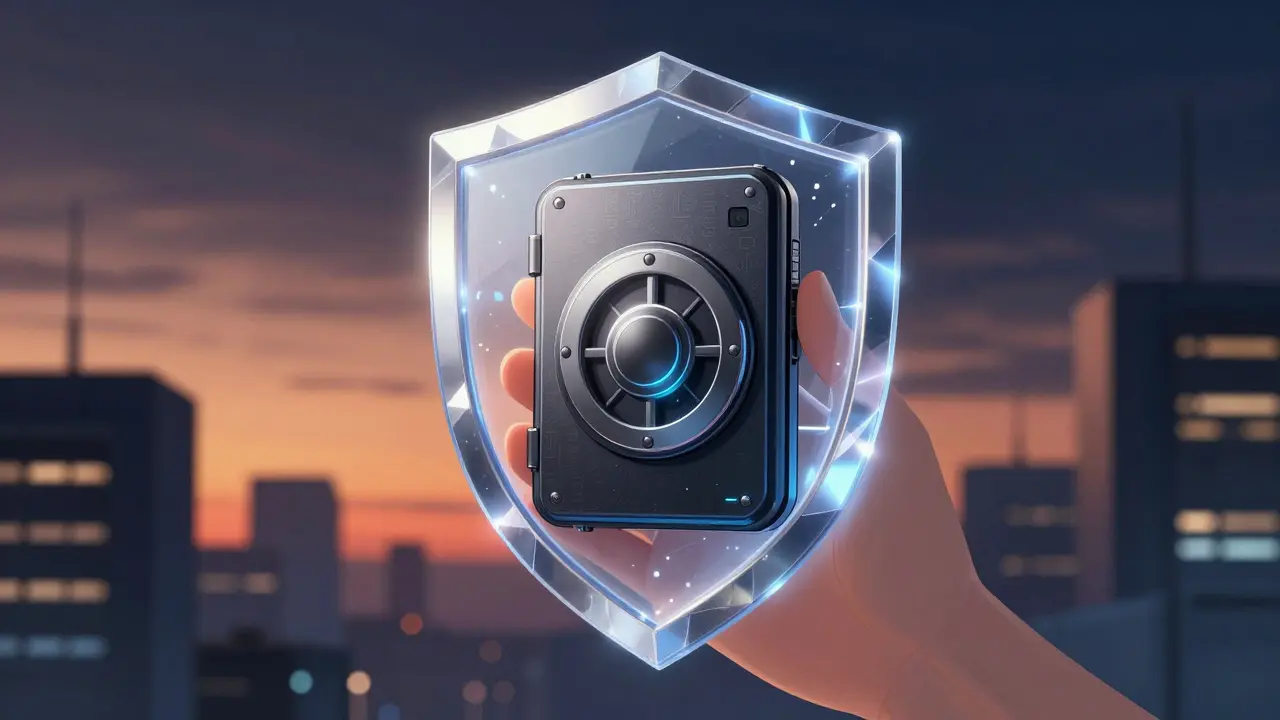
The NFT world is a bit like the Wild West. Because transactions are irreversible, if you send your money to the wrong address or get tricked by a fake link, that money is gone forever. The most common mistake people make is keeping all their assets in a "hot wallet" (a wallet connected to the internet). If you're holding a collection worth thousands of dollars, buy a hardware wallet-a physical USB-like device that keeps your private keys offline.
Another trap is FOMO (Fear Of Missing Out). In 2021, people bought anything that looked like a cartoon ape. In 2026, the market is more mature. Successful trading now depends on "utility." Ask yourself: does this NFT give me access to a private club? Does it grant me items in a video game? Does it represent real-world ownership of a property? If the only value is "hope someone pays more for it later," you're gambling, not investing.
The Future of Digital Ownership
We're moving away from the era of speculative JPEGs and toward actual usefulness. Major brands like Nike and Adidas are using NFTs for loyalty programs and digital wearables. We're also seeing the rise of real-world asset tokenization, where an NFT might represent a fraction of a physical piece of real estate or a legal contract.
The regulatory landscape is also catching up. With frameworks like the EU's MiCA (Markets in Crypto-Assets), there's more clarity on how these assets are taxed and regulated, which makes it safer for the average person to jump in without fearing a total legal blackout.
Do I really need cryptocurrency to buy an NFT?
Technically, yes, because the blockchain requires a native token (like ETH) to process the transaction. However, some marketplaces now allow you to pay with a credit card via third-party processors who handle the crypto conversion in the background.
What is the difference between a "hot wallet" and a "cold wallet"?
A hot wallet, like MetaMask, is connected to the internet, making it convenient for quick trades but vulnerable to hacks. A cold wallet (hardware wallet) is an offline device that keeps your private keys safe, making it the gold standard for long-term storage of valuable NFTs.
What happens if I lose my wallet's recovery phrase?
If you lose your seed phrase (the 12-24 words given during setup) and you don't have a backup, your assets are permanently inaccessible. There is no "forgot password" button on the blockchain; you are your own bank.
Does owning an NFT mean I own the copyright to the art?
Usually, no. You own the token that points to the art, but the artist typically retains the copyright unless the smart contract explicitly transfers commercial rights to the buyer. Always read the terms of the specific project.
How do I know if an NFT is a scam?
Check for a verified blue checkmark on the marketplace, research the team behind the project, and never click links sent in random DMs on Discord or X (Twitter). If a deal seems too good to be true, it almost certainly is.
Comments (24)
The shift toward utility-based assets is definitely the current meta. If you're not looking for smart contract functionality or governance tokens tied to the NFT, you're basically just buying a fancy receipt. The layer 2 scaling solutions like Polygon are where the real volume for entry-level stuff is happening now.
Oh wow, a guide that tells us to use MetaMask in 2026. Groundbreaking stuff. I'm sure the 'revolutionary' concept of a seed phrase will blow everyone's minds.
This is such a great way to get people started! It can be scary at first but once you get that first piece in your wallet it feels amazing. Keep exploring everyone!
Absolute nonsense and a waste of Amercan resourcees!! We should be investin in real gold and land not some digital fakey art created by people who probably hate our country. It is a total scam designed to steal money from hard working folk while the goverment just watches it happen without any real regualtion to protect the true patriots of this land!!
Funny how they mention the EU's MiCA like it's a good thing. It's just another way for the globalists to track every single transaction you make. They want everything on a ledger so they can freeze your assets the second you say something they don't like. Typical central bank play.
most of these sites are just front for money launderin anyway... who even cares about a jpeg when the world is literally fallin apart lol
I love the idea of digital wearables! It's like a new way to express our identity across different virtual spaces. It really challenges how we think about ownership and art in the digital age :)
For those of you struggling with the gas fees on Ethereum, I really recommend looking into some of the newer L2s or even Solana. I've seen people lose half their initial investment just on the transaction costs because they didn't check the network congestion. It's a steep learning curve, but if you take your time and use a hardware wallet from day one, you'll be much safer in the long run. Don't let the FOMO push you into making a hasty mistake with your seed phrase.
it's just wild how we've transitioned from physical galleries to these digital spaces, like, the vibe is totally different but the human desire to collect stuff is just universal i guess... maybe one day we'll realize that the value isn't in the token but in the community we build around it, though most people are just chasing the green candles lol
I don't see the point.
Hardware wallets are a must!!!
The absolute tragedy of losing a seed phrase is a nightmare I wouldn't wish on my worst enemy! Imagine the sheer agony of watching your fortune drift away into the void of the blockchain, unreachable and forever lost! It is a digital apocalypse of the most cruel variety!
Kinda funny how we're just trading links to images.
Let's get this energy up! The creative possibilities for artists to finally get paid their royalties are absolutely dazzling. This is a total game-changer for the independent scene!
Please make sure you are emphasizing the risk of DMs. I've seen too many newcomers get wiped out because they trusted a 'support agent' on Discord.
I agree with the part about avoiding the FOMO. It's so easy to get caught up in the hype and forget to actually look at what the asset does.
thanks for the breakdown its actually really helpful for those of us who are new to this
The layout of the marketplace table is mediocre at best, and the overall explanation of minting feels incredibly rushed. It's almost offensive how simplistic this approach is.
It is simply catastrophic that one must entrust their entire financial future to a twelve-word phrase written on a piece of paper! The level of precariousness is utterly unacceptable in a modern economy!
Cool stuff.
If anyone is feeling overwhelmed by the technical side, just take it one step at a time. There's no rush to jump into the deep end of the pool.
I think it's really wonderful that we can now support artists from all over the world without needing a middleman gallery to take a huge cut of the profit. It opens up so many doors for people who didn't have the right connections in the traditional art world. Just be patient with yourselves while learning the tools and don't be afraid to ask for help in the community forums because most people are actually very kind and want to see others succeed in this new space.
I mean, who actually reads the smart contract terms? Just buy the ape and hope for the best, that's how it's always been done anyway haha
I'm staying optimistic about the real-world asset side of things. Tokenizing real estate could actually make investing accessible for people who can't afford a whole house.