
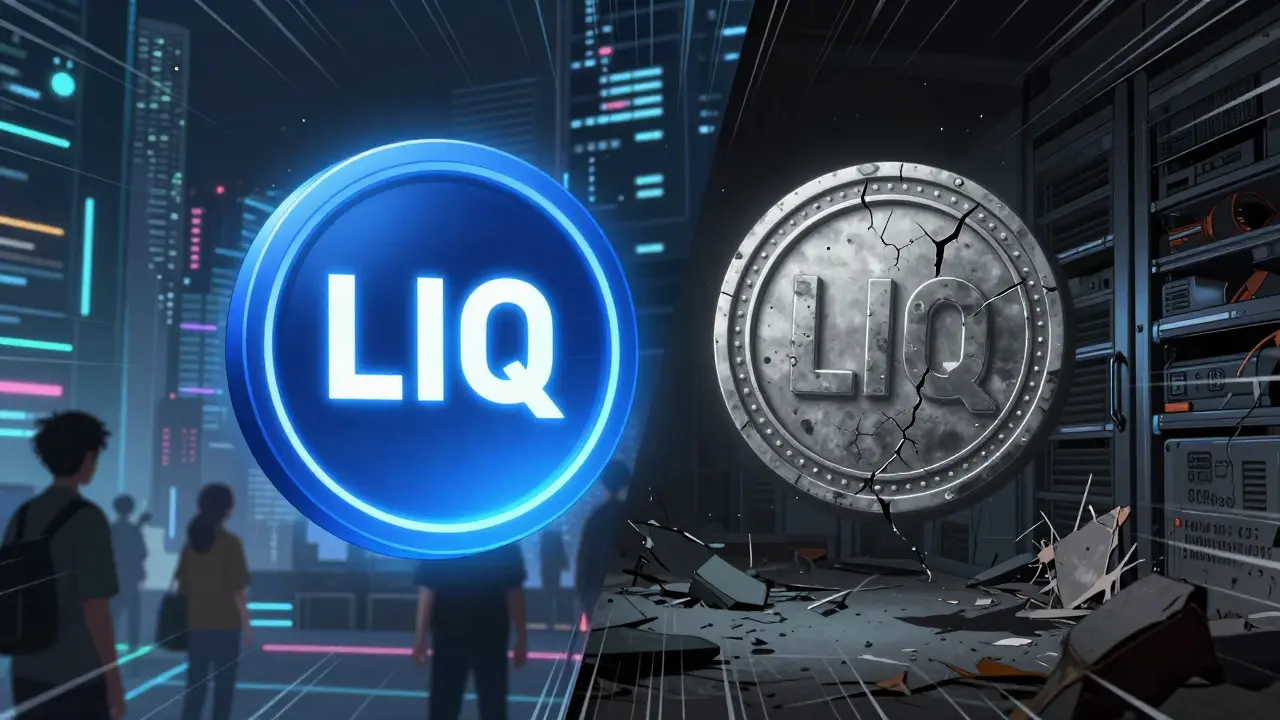
Have you ever seen a notification for an airdrop and wondered if it’s worth your time? The Liquidus (old) is a cryptocurrency project that previously operated under the LIQ ticker before being rebranded or replaced by the newer Liquidus Foundation version. It is often confused with the current active project. Specifically, the query about the "(LIQ) Liquidus Campaign airdrop by Liquidus (old)" points to a specific historical event or a potential confusion between two distinct tokens. This article cuts through the noise to tell you exactly what happened, whether you can still claim anything, and how to avoid scams pretending to be this old campaign.
If you are holding the old LIQ token or saw a quest related to it, you need to know the difference between the dead chain and the living one. Let's break down the facts.
Understanding the Two LIQ Tokens
The biggest reason people get confused is that there are two different assets using the same name and ticker symbol. To understand the airdrop details, we first have to separate these entities.
The first entity is Liquidus (old), which is the legacy token from the original Liquidus project, now largely inactive with a market cap of approximately $55,000. Its price has dropped significantly from its all-time high of $4.80 in November 2021. As of August 2026, it trades around $0.008. It has a maximum supply of 93 million tokens, but only about 6.55 million are circulating. The trading volume is extremely low, often less than $200 per day. This indicates very little interest from new investors.
The second entity is the Liquidus Foundation (New LIQ), which is the active, modern iteration of the project focused on decentralized development and mobile applications. This token trades at a higher price point (around $0.06) and has a much smaller total supply of 6.31 million. This is the team currently building products like the Liquidus mobile app for iOS and Android.
When people talk about the "Liquidus (old)" airdrop, they are usually referring to events that happened years ago, during the peak of the previous project's lifecycle. There is no ongoing, major public airdrop campaign specifically for the *old* token because the project has effectively moved on.
Did a Liquidus (Old) Airdrop Actually Happen?
Historical data suggests that while there wasn't a single massive "airdrop" in the traditional sense of giving free tokens to everyone who signed up, there were distribution events. These were likely tied to early community building efforts on platforms like Telegram and Discord.
However, recent searches reveal mentions of "Liquid Crypto Airdrop Campaigns" conducted through platforms like Galxe is a popular blockchain identity and rewards platform where projects host quests for users to earn tokens. Some users confuse these general crypto campaigns with specific Liquidus ones. For instance, there was a campaign associated with "reddex" and "Liquid Crypto" offering USDC rewards. This is not the same as the Liquidus (old) LIQ token airdrop.
If you are looking for a way to claim free LIQ tokens from the *old* project today, the short answer is: probably not. The snapshot dates for any such distributions would have passed years ago. The focus has shifted entirely to the new foundation.
Current Opportunities: The New Liquidus Ecosystem
Since the old airdrop is history, where should you look if you want exposure to the Liquidus brand? The new Liquidus Foundation offers different ways to earn or acquire their token.
- Mobile App Usage: The primary product is the Liquidus mobile app. Users can deposit funds and earn yields. While not an airdrop, early adopters of the app often receive bonuses or discounts using the LIQ token.
- Trading Competitions: Exchanges like Gate.io have hosted competitions involving LIQ. For example, a past competition offered $51,000 in rewards. The first 600 depositors shared $15,000 worth of tokens. Keep an eye on exchange announcements for similar events.
- Galxe Quests: The new team occasionally hosts quests on Galxe. These require you to follow social media channels, join communities, and sometimes hold a small amount of another token to prove you are a real user (not a bot).

How to Verify Legitimate Liquidus Campaigns
Scammers love to target people searching for old airdrops. They create fake websites claiming you can "claim your Liquidus (old) tokens now." Here is how to spot them.
- Check the URL: Official announcements will come from liquidus.foundation or verified exchange pages. If the site ends in .xyz, .top, or a misspelled domain, close it immediately.
- Never Share Your Seed Phrase: No legitimate airdrop requires your 12-word seed phrase. If a site asks for it, it is stealing your wallet.
- Verify on Social Media: Check the official Twitter/X account of Liquidus Foundation. If they haven't posted about a specific "old token" claim, it doesn't exist.
- Look for Gas Fees: Real airdrops might ask you to pay a small gas fee to claim, but they will never ask you to send ETH or SOL to a random address to "unlock" your reward.
Comparison: Old vs. New Liquidus
| Attribute | Liquidus (Old) | Liquidus Foundation (New) |
|---|---|---|
| Token Ticker | LIQ | LIQ |
| Market Cap (Approx) | $55,000 | $240,000 |
| Total Supply | 67.26 Million | 6.31 Million |
| Price Trend | Declining / Low Volume | Active Trading |
| Primary Product | Legacy Platform | Mobile App & DeFi Tools |
| Airdrop Status | Completed / Historical | Occasional Quests/Bonuses |
What Should You Do With Old LIQ Tokens?
If you still hold some of the old LIQ tokens in your wallet, you have a few options. First, check if the token is listed on any major exchanges. Given the low liquidity, selling large amounts might crash the price further. Second, consider whether you believe in the new foundation's mission. If you do, you might choose to buy the new LIQ tokens directly rather than trying to convert the old ones, as there may not be a direct bridge or swap mechanism available anymore.
For most users, the best strategy is to ignore the old token unless it has significant sentimental value. Focus your energy on the new ecosystem where actual development is happening. Engage with the new mobile app, participate in their current Galxe quests, and follow their official channels for future announcements.
Common Mistakes to Avoid
Many users lose money by chasing ghosts. Don't spend hours trying to find a claim link for an airdrop that ended in 2022. Instead, verify the current status of the project. Another mistake is interacting with smart contracts that haven't been audited. Always use reputable platforms like CoinGecko or CoinMarketCap to find the correct contract addresses for both the old and new tokens to ensure you are looking at the right asset.
Is the Liquidus (old) airdrop still active in 2026?
No, the specific airdrop campaigns associated with the original Liquidus (old) project are considered historical. Any claims appearing now are likely scams. The current focus is on the new Liquidus Foundation.
How do I distinguish between the old and new LIQ tokens?
You can distinguish them by checking the contract address on a block explorer. The old token has a much higher total supply (over 67 million) and lower market cap compared to the new token (6.31 million supply). Always verify the address on the official Liquidus website.
Can I still earn LIQ tokens through Galxe?
Yes, the new Liquidus Foundation occasionally hosts quests on Galxe. These are different from the old airdrop and usually involve completing social tasks or using their mobile app. Check the Galxe website for active campaigns.
Is it safe to connect my wallet to claim an old Liquidus airdrop?
Be extremely cautious. Since the old project is largely inactive, any site asking you to connect your wallet to claim "old" tokens is highly suspicious. Only connect to wallets on verified, official domains like liquidus.foundation.
What happened to the price of the old LIQ token?
The old LIQ token reached an all-time high of $4.80 in 2021 but has since declined significantly to under $0.01. This drop reflects the shift in community and developer support toward the new Liquidus Foundation project.