

Introduction: The Crypto Lifeline for Iranians
Iranian citizens face banking restrictions that cut them off from global financial systems. cryptocurrency exchanges have become a vital lifeline, offering access to international markets and a way to preserve wealth. But with sanctions, security risks, and regulatory changes, choosing the right platform isn't simple. This article breaks down the current landscape for Iranian users in 2026, highlighting domestic and international options, recent developments, and practical advice for safe trading.
Domestic Exchange: Nobitex's Highs and Lows
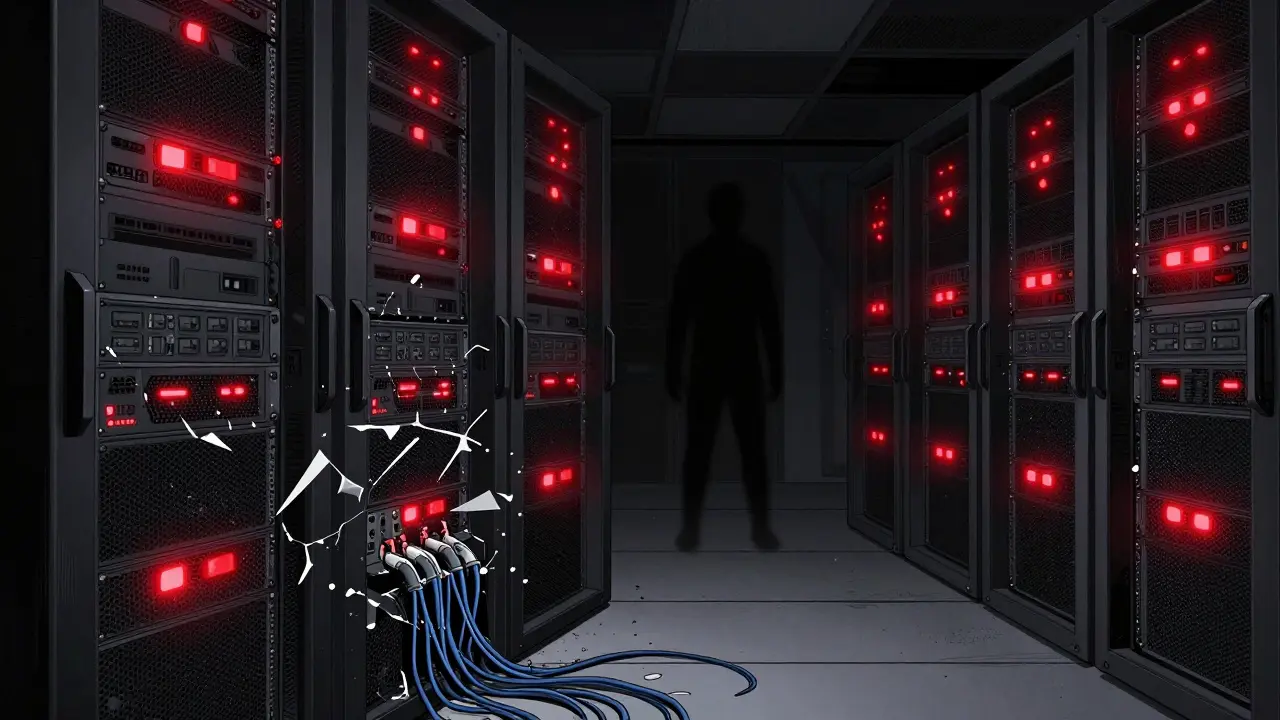
Nobitex remains Iran's largest domestic cryptocurrency exchange, handling over 87% of all local transactions. Founded as Iran's primary crypto platform, it supports millions of users. However, June 2025 brought a major crisis when hackers stole $90 million from the exchange. This breach exposed critical security flaws and linked Nobitex to IRGC-affiliated financial activity. Later in July, Tether froze 42 Iranian-linked addresses connected to Nobitex, disrupting transactions and forcing users to shift to alternatives like DAI on Polygon. Today, Nobitex continues operating but faces heightened scrutiny, with users advised to verify security measures before trading.
Top International Exchanges for Iranians
Several international exchanges accept Iranian residents despite sanctions. Here's a comparison of the top platforms:
| Exchange | Minimum Deposit | Supported Coins | Spot Maker Fee | Key Features |
|---|---|---|---|---|
| MEXC | $30 | 196 | 0.2% | High liquidity, strong security, user-friendly interface |
| XT.com | $10 | 1,010 | 0.2% | Wide coin selection, competitive fees, advanced trading tools |
| LATOKEN | $1 | 475 | 0.49% | Low minimum deposit, diverse altcoins, staking options |
| CoinEx | $1 | 475 | 0.49% | Beginner-friendly, low fees, savings programs |
| KuCoin | $0 | 1,000+ | 0.1% (with KCS) | Easy fiat deposits, large altcoin selection, savings and staking |
Each platform offers unique advantages. MEXC leads in security and liquidity, while KuCoin provides the most flexibility with zero minimum deposits and robust earning options. XT.com stands out for its massive coin selection, and LATOKEN and CoinEx cater to users seeking low entry costs. However, all international exchanges face challenges like limited Persian-language support and potential account restrictions due to sanctions.
Regulatory Changes and Their Impact
Iran's government passed the Law on Taxation of Speculation and Profiteering in August 2025, imposing capital gains tax on cryptocurrency trading for the first time. This law treats crypto similarly to gold and real estate, signaling Tehran's shift from tolerance to active regulation. The move aims to formalize the market while generating revenue, but it also creates compliance challenges for users. Meanwhile, Tether's July 2025 freeze of Iranian-linked addresses forced rapid adaptation, with many users migrating to DAI on Polygon for faster, cheaper transactions. These regulatory shifts highlight the tension between Iran's economic needs and international enforcement efforts.
Security Tips for Iranian Crypto Users
Given recent hacks and sanctions enforcement, security is critical. Start by using hardware wallets for long-term storage-never keep large amounts on exchanges. Enable two-factor authentication on all accounts and avoid reusing passwords. For stablecoin transactions, prioritize DAI on Polygon over USDT due to lower fees and faster processing. Stay updated on exchange security practices; platforms like MEXC and KuCoin regularly undergo third-party audits, while Nobitex's 2025 hack shows domestic exchanges' vulnerabilities. Finally, diversify across multiple platforms to reduce risk exposure. For example, keeping small amounts on MEXC for trading and storing the rest in a Ledger wallet balances accessibility and safety.
Frequently Asked Questions
Can Iranian citizens legally use international crypto exchanges?
Yes, international exchanges like MEXC, KuCoin, and XT.com accept Iranian users. However, they must comply with KYC procedures and may face restrictions based on sanctions. Some exchanges may block Iranian IPs or require additional verification. Always check the platform's current policies before signing up. For example, KuCoin allows Iranian users but may require extra ID verification, while MEXC has no specific country restrictions but monitors transactions for compliance.
What happened to Nobitex in 2025?
In June 2025, Nobitex suffered a $90 million hack that exposed critical security flaws. Later in July, Tether froze 42 Iranian-linked addresses connected to the exchange, linking it to IRGC-affiliated activity. These events forced Nobitex to overhaul its security protocols and caused many users to shift to international platforms or decentralized alternatives. The hack remains one of the largest exchange exploits of 2025 and highlighted vulnerabilities in Iran's crypto infrastructure.
Why should Iranians avoid USDT?
Tether's July 2025 freeze of Iranian-linked addresses made USDT risky for users in sanctioned regions. The stablecoin's centralized control allows issuers to freeze funds, which happened to 42 addresses tied to Nobitex. Many Iranians now prefer DAI on Polygon for its decentralized nature, lower fees, and faster transactions without centralized freeze risks. DAI's integration with Polygon also makes it ideal for quick swaps and lower gas fees compared to Ethereum-based USDT.
How does Iran's new crypto tax law affect traders?
The 2025 tax law requires Iranian crypto traders to report profits and pay capital gains tax, similar to gold and real estate. This formalizes the market but creates compliance burdens. Traders must keep detailed records and may face audits. The law aims to regulate the sector while generating revenue, but it could reduce trading activity as users adjust to new reporting requirements. Many traders now use tax-tracking tools like CoinTracking to simplify compliance.
What's the safest way to store crypto for Iranians?
Use hardware wallets like Ledger or Trezor for long-term storage. These offline devices protect against online hacks and exchange failures. For daily trading, keep only small amounts on reputable exchanges with strong security-MEXC and KuCoin are top choices. Never share private keys, and enable two-factor authentication on all accounts. Avoid keeping large sums on domestic exchanges like Nobitex due to past security issues. Many users also split holdings across multiple wallets to minimize risk.
Do Iranian exchanges offer better support for Persian speakers?
Yes, domestic exchanges like Nobitex provide full Persian-language support, including customer service and interfaces. However, international platforms like KuCoin and MEXC have improved their Persian support recently. KuCoin now offers Persian-language guides and a dedicated customer support team for Iranian users. While Nobitex's Persian support is more comprehensive, its security issues make it riskier. Many users balance this by using Nobitex for small transactions and international exchanges for larger holdings.
Comments (16)
Hey everyone, I've been using MEXC for a few months now and it's been smooth. The security measures are solid, and the interface is easy to navigate. For Iranians looking to get started, this is a great option. Also, using DAI on Polygon instead of USDT is a smart move-lower fees and no freezing risks. Always good to diversify your exchange usage too!
KuCoin is the bomb! Zero minimum deposit, tons of coins, and easy to use. 🚀💯 Don't sleep on it-start trading today! 💪
Honestly, most people don't understand the risks here. Nobitex got hacked because they were too lax on security, and Tether freezing those addresses was a wake-up call. You need to be carefull-always use hardware wallets, and avoid USDT like the plague. DAI on Polygon is way safer. Also, the tax law is a necessary evil, but you should still report your gains. I know, I know, it's a pain, but it's better than getting in trouble later.
Tether's freeze of Iranian addresses isn't random-it's a coordinated effort by Western powers to control crypto flows. They don't want Iranians to have financial freedom. Always use DAI on Polygon; it's decentralized and immune to such freezes. Trust me, this is just the start of the crackdown.
Oh, Nobitex is 'secure'-right up until they lose $90 million. Smart move, Iran. Meanwhile, KuCoin's zero minimum deposit is the way to go. 🙄 And please, for your own sake, use DAI instead of USDT. It's not rocket science.
The regulatory landscape is increasingly complex, necessitating a nuanced approach to crypto asset management. The imposition of capital gains tax aligns crypto with traditional asset classes, fostering market legitimacy. However, the centralization of stablecoins like USDT presents systemic risks, advocating for decentralized alternatives such as DAI on Polygon.
KuCoin all the way. Zero fees, easy deposits. 💯 But watch the tax law-don't get caught. 🤦♂️
I'm so excited to see how the crypto space is evolving for Iranians! With platforms like MEXC and KuCoin, there are so many opportunities. Just remember to stay safe-use hardware wallets and stick with DAI on Polygon. You've got this! 💪
Always use hardware wallets.
Nobitex is a joke. $90M hacked? That's so embarrassing. Use MEXC or KuCoin. They're way better. And stop using USDT-DAI on Polygon is the only way. Trust me, I know.
Tether freezing addresses is just the start. They're trying to control everything. Always use DAI. Simple.
Nobitex's security is pathetic. $90 million lost? That's unacceptable. Use KuCoin or MEXC. Period. And never use USDT-DAI on Polygon is the only safe option.
Hey, I've been using KuCoin and it's been great. Zero minimum deposit is perfect for beginners. Also, using DAI on Polygon is smart-lower fees and no freezing. Keep trading safely!
Crypto is the only way to fight the system. Tether's freeze is proof they're scared. Always use DAI on Polygon. 💯🔥
Let's be real, the whole situation is a mess. The US government is trying to control crypto to keep Iran under their thumb. But hey, it's not all bad-DAI on Polygon is way better than USDT. Still, it's a bit scary how much control they have. I mean, think about it... but anyway, I've been using MEXC and it's okay. Just be careful.
It's important to consider both the risks and opportunities. Using DAI on Polygon makes sense for security, but diversifying across exchanges is wise. Let's stay safe.