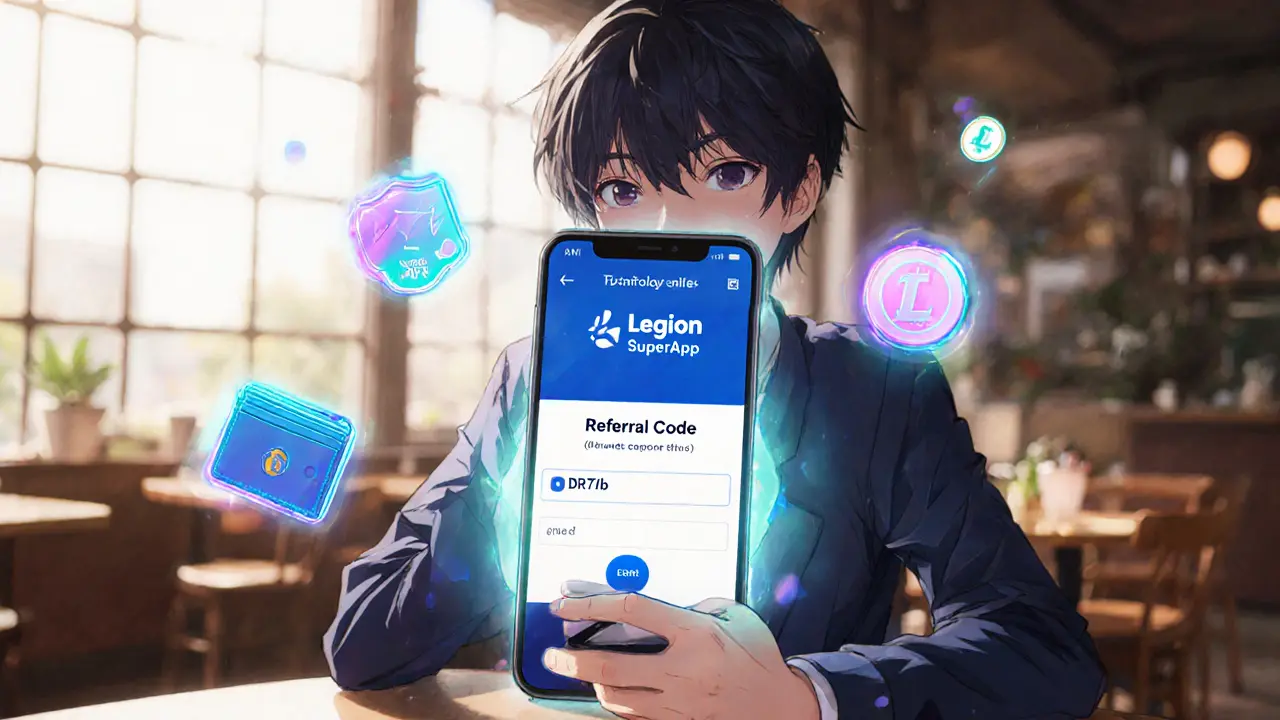
Legion Network: A Practical Overview
When diving into Legion Network, a community‑focused blockchain that blends staking, cross‑chain swaps and reward distribution. Also known as Legion, it lets users earn tokens, join airdrops and trade NFTs without leaving the ecosystem, you quickly see why it matters to anyone interested in modern cryptocurrency, digital money that operates on decentralized ledgers. The platform’s core promise is simple: combine the speed of a layer‑2 solution with the security of established chains, so you can Legion Network participants enjoy seamless asset movement. In practice, that means staking your tokens, unlocking exclusive airdrops, and minting or buying NFTs that carry real utility.
Key Elements That Shape the Legion Experience
The first pillar is staking, locking up tokens to support network consensus and earn rewards. Staking not only secures the chain but also feeds the airdrop engine, creating a virtuous loop where more staked tokens trigger larger distribution rounds. Second, the airdrop, a free token giveaway that rewards active community members is the primary driver of user growth. Legion’s airdrop model ties directly to staking levels, transaction volume and participation in governance votes, making it a tangible incentive for ongoing engagement. Third, the platform’s NFT, non‑fungible tokens that represent unique digital assets or access rights unlocks exclusive features like early‑access to new projects, discounted fees, or even governance weight. Finally, the emerging stablecoin, a price‑pegged token that offers low‑volatility trading pairs within the ecosystem adds liquidity and reduces exposure to market swings, letting users focus on utility rather than price risk.
These components interact in clear ways: Legion Network encompasses staking, airdrops, NFTs and stablecoins. It requires users to stake to qualify for richer airdrops, while airdrops influence community growth. The presence of NFTs enhances user incentives, and the stablecoin layer enables low‑risk liquidity swaps. By mapping these relationships, you can see how each piece supports the others, creating a self‑reinforcing ecosystem that scales without compromising security.
For newcomers, the biggest hurdle is figuring out where to start. The first step is to create a wallet that supports Legion’s native token (usually a multi‑chain compatible wallet). Next, deposit a modest amount of the token, then lock it in the staking contract. Once staked, the dashboard will display your eligibility for the upcoming airdrop round, and you’ll see any NFT drops linked to your address. If you prefer a safer entry point, try swapping into the platform’s stablecoin first; it lets you test the trading interface without risking volatile assets. All of these actions are explained in the guides below, where we break down each process in plain language.
Below you’ll find a curated list of articles that cover everything from Legion’s tokenomics to step‑by‑step airdrop claims, NFT minting tutorials and stablecoin integration tips. Whether you’re a seasoned trader looking for the next yield opportunity or a beginner curious about staking rewards, the collection has something practical for you. Dive in, pick the guide that matches your skill level, and start making the most of Legion Network today.