
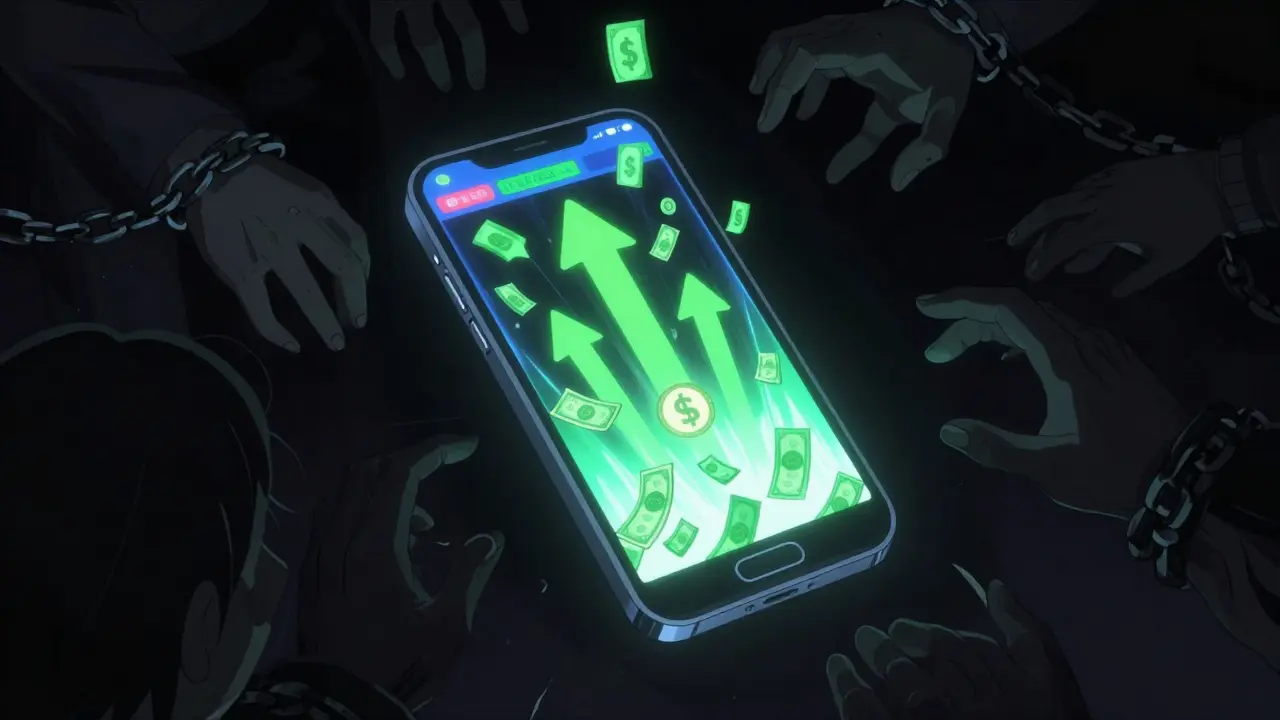
You’ve probably seen the ads. They pop up on social media, promising massive returns with zero risk, featuring slick interfaces and celebrity endorsements. The name InfiBTC is one of those platforms that suddenly appears everywhere, claiming to be the next big thing in digital asset trading. But here is the hard truth: there is almost no credible information about this specific entity in the public domain. When you cannot find independent audits, regulatory licenses, or genuine user reviews outside of paid promotional content, that is not a sign of exclusivity-it is a massive red flag.
In the world of finance, especially cryptocurrency, opacity is dangerous. Unlike established entities like Binance or Coinbase, which have years of public data, legal battles, and regulatory compliance records, InfiBTC operates in the shadows. This article breaks down what we know, what we don’t know, and why you should proceed with extreme caution before depositing a single penny.
The Lack of Verifiable Data
When evaluating any financial platform, the first step is due diligence. For major exchanges, this means checking their registration details, headquarters location, and leadership team. For InfiBTC, this process hits a wall immediately. There are no clear records of who founded the company, where it is legally incorporated, or who holds the majority stake.
This anonymity is common among fraudulent schemes known as "pig butchering" scams or Ponzi operations. These platforms often use shell companies registered in jurisdictions with lax financial laws, such as certain offshore islands, to avoid accountability. If a platform refuses to disclose its ownership structure, it is likely hiding something from you. Legitimate businesses want transparency because it builds trust. Scammers want secrecy because it protects them from prosecution.
Furthermore, searching for "InfiBTC" yields very little organic traffic. Most results are either low-quality SEO articles written by affiliates earning commissions on your deposits or generic token swap pages that mention "INFI" as a ticker symbol for unrelated projects. This lack of independent editorial coverage is a critical warning sign. Reputable financial news outlets like CoinDesk or The Block do not cover non-existent or unverified platforms.
Red Flags in Marketing and Promises
If you have encountered InfiBTC through an advertisement or a message from someone you met online, pay close attention to the promises being made. Fraudulent crypto platforms rely on psychological manipulation rather than technological innovation. Here are the typical tactics used:
- Guaranteed High Returns: No legitimate investment offers guaranteed profits. Markets fluctuate. If a platform claims you can make 1-5% daily returns with "zero risk," it is mathematically impossible to sustain without new investor money funding old withdrawals (a Ponzi scheme).
- Fake Celebrity Endorsements: You might see videos of famous actors or athletes seemingly endorsing InfiBTC. These are almost always deepfakes or edited clips taken out of context. Celebrities rarely endorse obscure, unregulated crypto exchanges due to the reputational risk.
- Urgency and Exclusivity: Messages claiming "limited spots available" or "early bird bonuses" are designed to bypass your logical thinking. They create artificial scarcity to rush you into depositing funds before you have time to research.
These marketing strategies are not unique to InfiBTC; they are standard operating procedures for crypto scams globally. The difference is that legitimate platforms compete on features, fees, and security-not on deceptive hype.
Security and Regulatory Status
Security is the cornerstone of any trustworthy crypto exchange. Established platforms invest millions in cold storage solutions, multi-signature wallets, and insurance funds to protect user assets. They undergo regular third-party security audits from firms like CertiK or SlowMist.
For InfiBTC, there is no evidence of such measures. Without proof of reserves-where a platform proves it actually holds the assets it claims to-you are essentially trusting them with your money based on faith alone. In the case of many similar unverified platforms, the "exchange" is just a website displaying fake numbers. Your balance goes up on the screen, but the underlying assets do not exist. When you try to withdraw, the platform will cite "maintenance," "tax verification," or ask for more fees to unlock your funds.
Regulatory compliance is another major concern. In the United Kingdom, where I reside, the Financial Conduct Authority (FCA) maintains a register of authorized firms. InfiBTC does not appear on this list. Similarly, it lacks licenses from the US SEC, the EU’s MiCA framework, or other major global regulators. Operating without these licenses means there is no legal recourse if you lose your money. You cannot file a complaint with a consumer protection agency because the entity has no legal standing in regulated markets.

Comparison with Legitimate Exchanges
| Feature | InfiBTC (Unverified) | Established Exchanges (e.g., Kraken, Coinbase) |
|---|---|---|
| Regulatory License | None found / Unknown | FCA, SEC, MiCA compliant |
| Proof of Reserves | No public audit | Regular third-party attestations |
| User Reviews | Fake or non-existent | Thousands of verified reviews |
| Withdrawal Process | Often blocked or delayed | Automated and transparent |
| Customer Support | Generic bots or silence | Dedicated support teams |
The contrast is stark. Platforms like Kraken or Coinbase have survived market crashes, regulatory scrutiny, and cyberattacks because they prioritize solvency and transparency. InfiBTC lacks this track record. Choosing an unverified platform over a regulated one is akin to parking your car in an unlit alley versus a guarded garage.
Safe Alternatives for Crypto Trading
If you are looking to enter the cryptocurrency market, you have many safer options. The goal should be to minimize counterparty risk-the risk that the platform itself fails or steals your funds. Here are three categories of safe alternatives:
- Centralized Exchanges (CEX): Platforms like Binance, Kraken, and Coinbase offer high liquidity, robust security, and regulatory oversight. They are ideal for beginners who need fiat on-ramps (buying crypto with bank cards).
- Decentralized Exchanges (DEX): Protocols like Uniswap or Curve allow you to trade directly from your wallet without giving custody of your assets to a company. This eliminates the risk of the exchange going bankrupt, though it requires technical knowledge.
- Hardware Wallets: For long-term holding, services like Ledger or Trezor let you store your private keys offline. You control your assets completely, removing the need for an exchange entirely.
Each of these options has a verifiable history, active developer communities, and clear terms of service. They do not hide behind anonymous founders or vague promises.

What to Do If You Have Already Deposited
If you have already sent money to InfiBTC, act quickly. First, attempt to withdraw your entire balance. If the withdrawal is successful, move the funds to a reputable, regulated exchange or a personal hardware wallet immediately. Do not leave assets on unverified platforms.
If the platform blocks your withdrawal or asks for additional fees (such as "taxes" or "verification fees") to release your funds, stop paying. This is a classic scam tactic. They will never return your original deposit; they only want more money. Document all interactions, including screenshots of the interface, chat logs, and transaction hashes. Report the incident to your local financial authority, such as the Action Fraud unit in the UK or the FTC in the US. While recovery is difficult, reporting helps authorities track and shut down these operations.
Conclusion: Trust But Verify
In the fast-moving world of cryptocurrency, skepticism is your best defense. InfiBTC fails the basic tests of legitimacy: no regulatory license, no transparent ownership, no independent security audits, and no credible user base. The absence of information is not neutral; it is negative.
Do not let FOMO (Fear Of Missing Out) drive your financial decisions. Real opportunities in crypto do not require you to ignore basic safety protocols. Stick to platforms that have stood the test of time, operate under strict regulations, and provide full transparency about their operations. Your capital is hard-earned; do not gamble it on a platform that disappears when things go wrong.
Is InfiBTC a legitimate crypto exchange?
There is no evidence that InfiBTC is a legitimate, regulated exchange. It lacks regulatory licenses, transparent ownership, and independent security audits, which are hallmarks of fraud.
Can I withdraw my money from InfiBTC?
Many users report difficulty withdrawing funds from similar unverified platforms. If you can withdraw, do so immediately. If they ask for more fees to release your money, it is likely a scam.
Who owns InfiBTC?
The ownership of InfiBTC is not publicly disclosed. This anonymity is a significant red flag, as legitimate financial institutions must reveal their leadership and corporate structure.
Is InfiBTC regulated by the FCA or SEC?
No, InfiBTC does not appear on the registers of the UK Financial Conduct Authority (FCA), the US Securities and Exchange Commission (SEC), or other major global regulators.
What are safe alternatives to InfiBTC?
Safe alternatives include regulated centralized exchanges like Coinbase, Kraken, and Binance, or decentralized exchanges like Uniswap, which offer transparency and security.
Comments (23)
the whole crypto space is just a giant ponzi scheme designed to steal from the little guy while the elites laugh in their bunkers. infiBTC is just the tip of the iceberg. they want you to think it's about technology but it's really about control and surveillance. don't fall for the narrative.
I appreciate the detailed breakdown here because it really highlights why due diligence is non-negotiable in this industry. Many people get swept up in the hype without realizing that legitimate platforms have years of public data and regulatory compliance records to back them up. The fact that InfiBTC operates in the shadows with no independent audits or credible user reviews outside of paid promotions is a massive red flag that should not be ignored. It is crucial to stick to established entities like Binance or Coinbase that have survived market crashes and legal scrutiny. Transparency builds trust, and secrecy usually protects scammers from prosecution. Always verify before you invest your hard-earned money.
It is truly fascinating how human psychology plays such a pivotal role in these financial disasters. We are wired to seek quick rewards and avoid pain, which makes us incredibly vulnerable to the promise of guaranteed high returns with zero risk. This platform exploits our deepest fears of missing out on the next big thing while simultaneously appealing to our desire for easy wealth. The dramatic irony is that the very things that make an investment seem too good to be true are often the markers of its illegitimacy. One must pause and reflect on why a legitimate business would hide its ownership structure behind shell companies in offshore jurisdictions. It suggests a profound lack of integrity and a clear intent to deceive rather than serve. The opacity is not a mystery; it is a weapon used against the unsuspecting investor who trusts too easily.
I cannot stress enough how important it is to check the FCA register if you are in the UK! 🚨🇬🇧 InfiBTC is definitely not listed there, which means you have absolutely no protection if they run off with your funds. It is terrifying how many people still ignore basic safety protocols just because someone sent them a link on WhatsApp. Please, for the love of god, do not deposit a single penny into unregulated platforms. Use Kraken or Coinbase instead where you know there is some level of accountability. Your financial security depends on being vigilant and skeptical of these slick marketing campaigns. 💸📉
Look, I’ve seen this movie a thousand times and it’s always the same script. They use fake celebrity endorsements and deepfakes to trick people who can’t tell the difference between a real video and a generated one. It’s pathetic how easily manipulated the masses are when greed gets involved. If a platform claims 1-5% daily returns with zero risk, it’s mathematically impossible unless it’s a Ponzi scheme paying old investors with new money. Stop falling for it and start using your brain. Real investments carry risk, and anyone telling you otherwise is lying to your face.
The fundamental flaw in trusting such entities lies in the absence of verifiable proof of reserves. Without third-party attestations from firms like CertiK or SlowMist, the balance displayed on the screen is merely a digital illusion devoid of underlying asset backing. Furthermore, the lack of regulatory licensing under frameworks such as MiCA or oversight by the SEC renders any recourse virtually nonexistent in the event of insolvency or fraud. It is imperative that investors understand the counterparty risk associated with unverified centralized exchanges. The operational opacity serves only to facilitate potential malfeasance and asset misappropriation. Due diligence requires more than superficial engagement with marketing materials; it demands rigorous scrutiny of corporate governance and security infrastructure.
I just sit back and watch these things unfold every time. It’s almost poetic how the same mistakes repeat themselves across different cycles. People see the shiny interface and the promises of wealth, and they forget that nothing comes free. The silence of reputable news outlets is deafening. If CoinDesk isn’t covering it, it’s probably because there’s nothing there to cover. Just keep your keys and stay safe. The rest is just noise.
How utterly tedious. Another article explaining what should be obvious to anyone with even a shred of financial literacy. The concept of 'trust but verify' is elementary, yet it seems lost on the general populace. These scams rely on the collective ignorance of retail investors who are desperate for validation. It is not surprising that such platforms thrive in the vacuum left by inadequate education. One might wonder why we continue to enable this behavior by engaging with these topics at all. The answer is simple: stupidity is profitable for the scammer.
Hey everyone! 👋 Just wanted to jump in and say that staying away from shady sites like this is the best move you can make. Life is too short to worry about losing your savings to some anonymous group hiding offshore. Stick to the big names like Binance or Coinbase where you know you’re dealing with real companies. Let’s keep our community safe and smart! 🚀💪
i tried to withdraw once from a site like this and it was a nightmare. they kept asking for fees and then my account got locked. dont do it guys. its not worth the stress.
This is a really important discussion to have because so many people are unaware of the risks involved with unregulated platforms. It raises the question of how we can better educate ourselves and others about identifying these red flags early on. The lack of transparent ownership and regulatory compliance is a critical indicator that something is wrong. By sharing these insights, we can help protect our communities from falling victim to these schemes. What other signs should we look for to ensure we are investing safely?
Well, I suppose it goes without saying that caution is key here. The absence of information is indeed negative, as the author correctly points out. One might argue that the burden of proof lies with the platform, not the investor. When a company refuses to disclose its leadership or location, it is effectively admitting guilt by omission. It is a sad state of affairs when we must be detectives just to protect our own money. Nevertheless, staying informed is the best defense we have.
Typical foreign scam targeting naive Americans who think they can get rich quick. These offshore operations are laughing at us while draining our wallets. We need stricter regulations and enforcement to shut these criminals down. Don’t let them exploit our openness. Support domestic, regulated exchanges that follow US laws. Anything else is just handing over your money to thieves.
Oh, the grand theater of deception unfolds before our eyes, doesn't it? A magnificent tapestry woven from threads of lies and desperation. InfiBTC is not merely a scam; it is a performance art piece where the audience pays for the privilege of being robbed. The actors are invisible, the stage is digital, and the tragedy is written in blockchain transactions that lead nowhere. We are all complicit in our own downfall by believing the siren song of easy profits. How beautifully absurd it all is.
Boring. Another warning about a scam that no one in their right mind would touch anyway. Why do we need articles for this? It’s obvious. Save your breath.
You are absolutely right to be cautious. Trust is earned through transparency and consistency, neither of which InfiBTC possesses. Stay strong and keep learning. You deserve better than uncertainty. Protect your peace and your portfolio.
it is interesting how culture influences our perception of risk. in some places, skepticism is viewed as wisdom while in others it might be seen as distrust. regardless of where you are from, the principles of financial safety remain universal. always verify the source and never rush into decisions driven by fear or excitement. take your time and do your research.
Wake up people! This is exactly why you need to be aggressive in protecting your assets. Don’t let these scammers walk all over you. Report them, expose them, and refuse to engage. There are plenty of legitimate ways to grow your wealth without playing Russian roulette with your savings. Take control of your financial destiny today!
It’s disgusting how these international criminals prey on honest citizens. They hide behind weak laws in other countries to avoid justice. We need to hold them accountable and stop supporting anything that isn’t fully compliant with American standards. Don’t be a fool and give your money to people who don’t respect our rules.
Actually, I think you’re all missing the bigger picture. Maybe InfiBTC is just ahead of the curve with decentralization. Who needs regulators anyway? They just stifle innovation. If you can’t handle the risk, maybe you shouldn’t be in crypto. Stop whining and start earning. The haters will always hate.
Let’s keep the peace here, but seriously, the advice is sound. No matter your background or beliefs, losing your life savings to a scam is never acceptable. The aggression some feel towards these platforms is justified, but let’s channel it into education and prevention. We are all connected in this global economy, and when one person falls victim, it affects us all. Stay vigilant and support each other in making informed decisions.
I’m here to help anyone who might be confused about what to do next. If you’re unsure whether a platform is legit, ask questions and look for answers. Don’t be afraid to reach out to experienced traders or check official regulatory lists. We’re all in this together, and looking out for each other is what makes the community strong. Stay safe and smart.
While I understand the frustration expressed by many here, it is essential to approach this topic with a degree of measured consideration and thoughtful analysis, taking into account the broader implications for individual financial well-being and the overall integrity of the cryptocurrency ecosystem, which has been subject to numerous challenges and controversies over the past several years, thereby necessitating a heightened sense of awareness and caution among participants who may not possess extensive technical knowledge or experience in navigating the complex landscape of digital asset trading platforms, especially those that operate without clear regulatory oversight or transparent operational practices, which can lead to significant losses and emotional distress for unsuspecting users who are often targeted by sophisticated marketing campaigns designed to exploit psychological vulnerabilities and create a false sense of security and exclusivity, ultimately resulting in a situation where individuals find themselves unable to withdraw their funds or access customer support, leaving them feeling helpless and betrayed by a system that promised them freedom and prosperity but delivered only disappointment and despair, thus reinforcing the importance of conducting thorough due diligence and relying on established, reputable sources of information before making any financial commitments or investments in unverified entities that lack the necessary credentials and track record to inspire confidence and trust among rational investors who prioritize long-term stability and sustainability over short-term gains and speculative opportunities.