
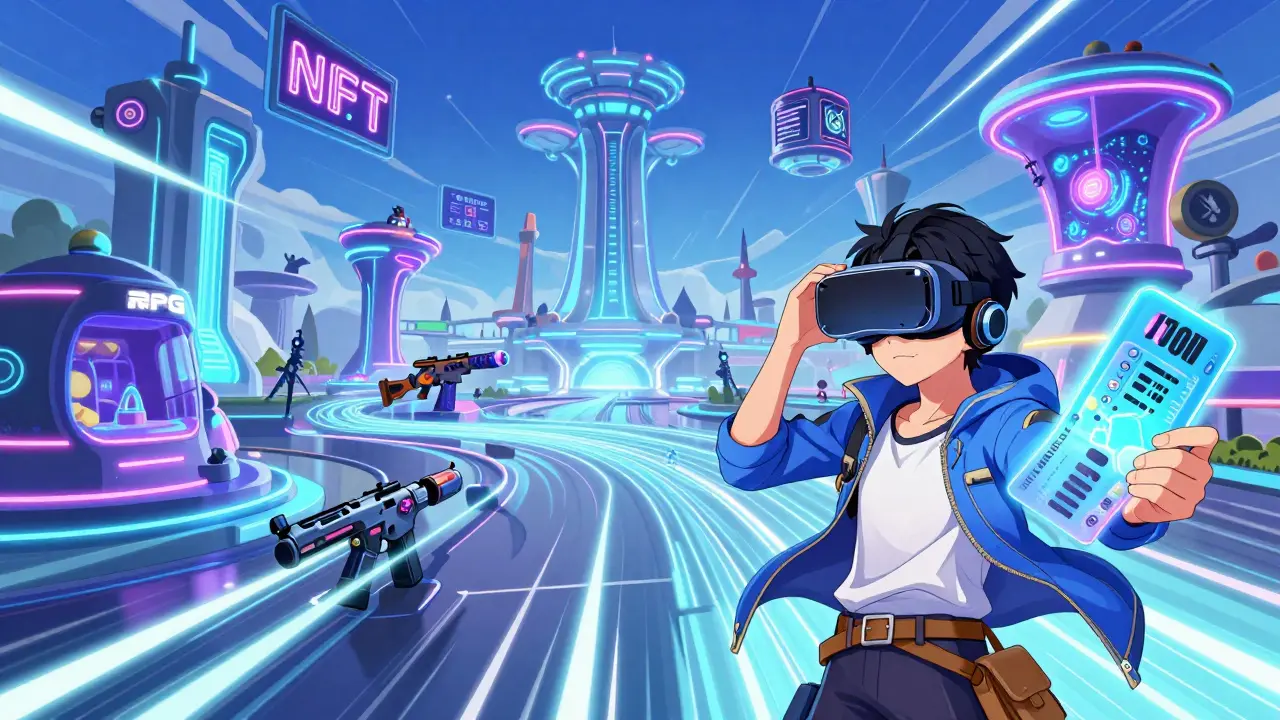
Buying a crypto coin just because it sounds cool or has big investors isn't enough anymore. You need to know what the thing actually *does*. If you are looking at Pentagon Games, you are probably wondering if this is the next big hit in blockchain gaming or just another speculative asset with a fancy name. The short answer is that it is a complex ecosystem play, not just a simple game token.
Pentagon Games operates as a multichain entertainment hub. It combines blockchain-based games, digital assets, and AI-enabled experiences into one platform. But the real question for you, the investor or user, is whether the technology backs up the hype. Let's break down what the PEN token is, how it works, and why the price data looks so messy right now.
The Core Concept: More Than Just a Game
To understand the value of the PEN token, you first have to understand the infrastructure behind it. Pentagon Games isn't trying to build just one shooter or one RPG. They are building an entire environment. Think of it like a digital theme park where different rides (games) and shops (NFT marketplaces) all use the same ticket system.
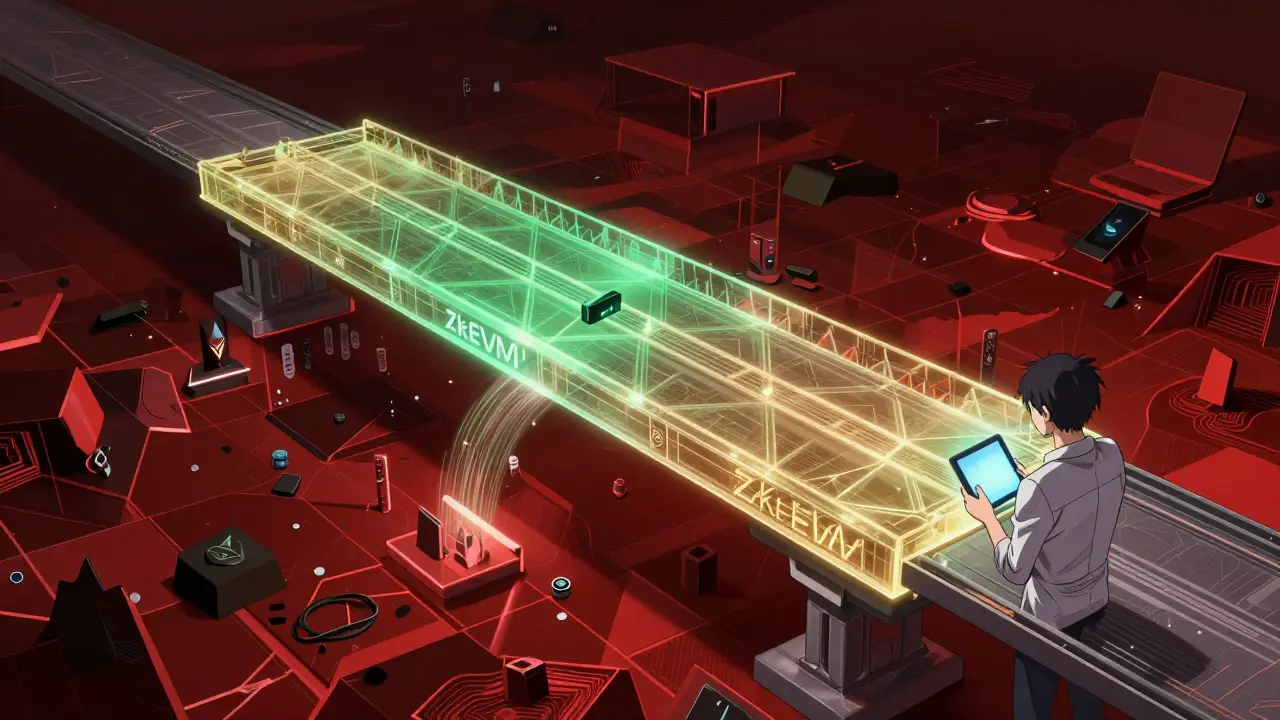
The backbone of this system is the Pentagon Chain. This is described as a zkEVM-based network. In plain English, zkEVM stands for Zero-Knowledge Ethereum Virtual Machine. It is a Layer-2 scaling solution built on top of Ethereum. Why does this matter to you? Because Ethereum mainnet transactions can be slow and expensive. By using a zkEVM layer, Pentagon Games aims to offer faster, cheaper transactions for its users while still benefiting from Ethereum's security. This setup supports cross-chain interoperability, meaning your assets can move between web, mobile, and XR (extended reality) products without getting stuck on one specific blockchain.
What Does the PEN Token Actually Do?
Tokens in gaming ecosystems usually fall into two buckets: governance tokens (for voting) and utility tokens (for spending). The PEN token is primarily a utility and membership token. Here is how you might actually use it:
- VIP Access: Holding PEN qualifies users for VIP tiers within the ecosystem. These tiers unlock perks, exclusive benefits, and higher limits on faucet access.
- In-Game Economy: It is used for immersive gameplay purchases, social activities, and expressing creativity in their 3D environments.
- Asset Ownership: The token facilitates the trade of user-owned digital assets and NFTs across the platform.
- Cross-Platform Utility: Since the ecosystem is multichain, PEN acts as the bridge currency for accessing various applications within the Pentagon Games universe.
If you don't plan on playing the games or interacting with the social spaces, the token has limited intrinsic value to you other than potential price appreciation. That makes it a speculative hold rather than a functional tool for most people.
The Price Mess: Why Data Sources Disagree
This is where things get tricky. If you look up the price of PEN today, you will see wildly different numbers depending on which site you check. This is common for mid-cap and lower-cap cryptocurrencies, but it requires extra caution.
| Data Source | Reported Price (USD) | Circulating Supply | Market Cap / Rank |
|---|---|---|---|
| Binance | $0.000774 | 356.05 Million | $275,758 |
| CoinGecko | N/A (BTC 4.6600 rank) | 240 Million | Rank #4732 |
| Crypto.com | $0.00006194 | 503.16 Million | N/A |
| CoinCodex | $0.0001006 | N/A | N/A |
Notice the difference? Binance shows a price nearly ten times higher than Crypto.com. This fragmentation happens because liquidity is spread thin across multiple exchanges. The contract address for PEN on Ethereum is 0x5ee3188a3f8adee1d736edd4ae85000105c88f66. Always verify this address before buying on decentralized exchanges to ensure you aren't buying a fake token.
The maximum supply is capped at 1 billion PEN tokens. However, the circulating supply varies significantly between reports, ranging from 240 million to over 500 million. This uncertainty affects the Fully Diluted Valuation (FDV), which CoinGecko estimates at roughly 19.26 BTC. When supply data is inconsistent, calculating true market cap becomes guesswork.
Investment Backing vs. Market Reality
One of the strongest arguments for Pentagon Games is its investor list. The project has received backing from heavyweights including NFX, Binance Labs, Polygon, Spartan, Republic, Animoca Brands, and YGG. These are not small-time investors. Animoca and YGG are giants in the blockchain gaming space, while Binance Labs brings serious financial muscle.
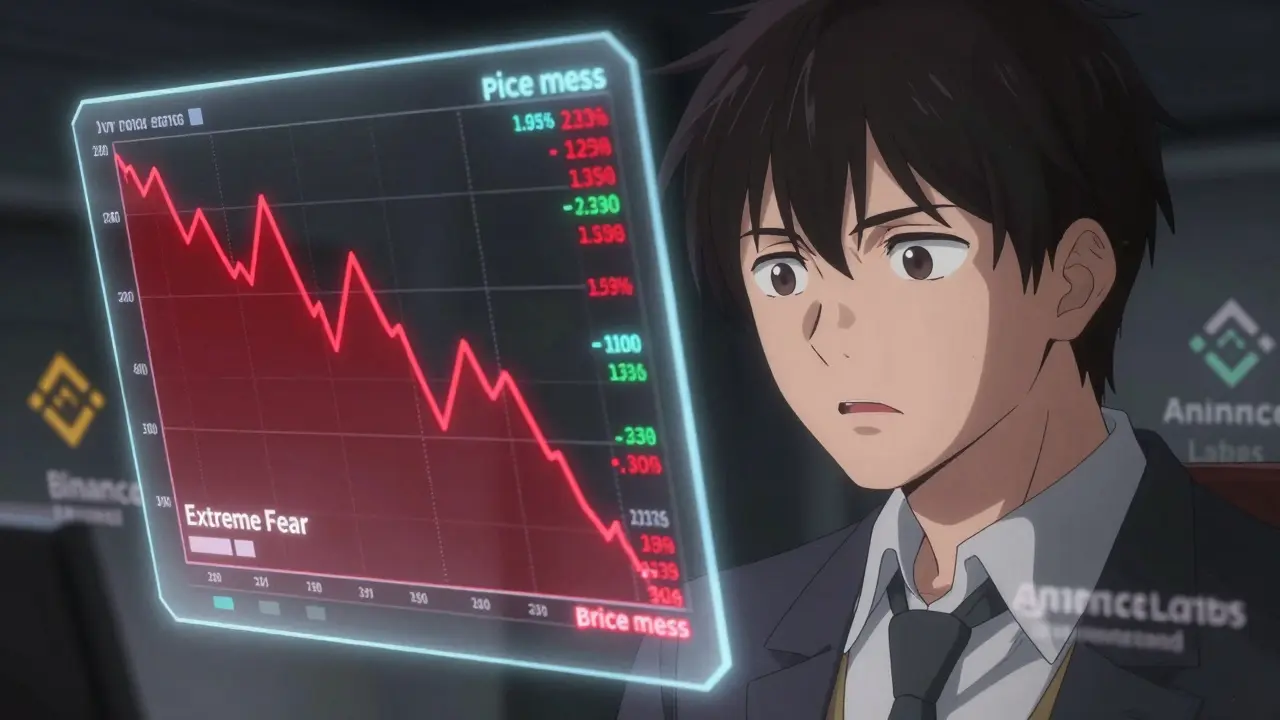
However, having good investors doesn't guarantee a good price performance. As of early 2026, the market sentiment around PEN is extremely bearish. The Fear and Greed Index has hovered around 20, indicating "Extreme Fear." Technical analysis from sources like CoinCodex showed high volatility (over 20%) and a lack of sustained upward momentum. In fact, trading volume dropped by nearly 97% in some 24-hour periods, suggesting that retail interest is waning despite the institutional support.
How to Buy and Store PEN Safely
If you decide to take the risk, here is how you navigate the logistics. You generally have two options: Centralized Exchanges (CEX) or Decentralized Exchanges (DEX).
- Centralized Exchange Route: KuCoin appears to be the most popular venue for PEN, handling over 50% of the reported trading volume. MEXC and Uniswap V2 are also active venues. On CEXs, you can buy PEN directly with stablecoins like USDT.
- Decentralized Route: For DEX trading, you will need an Ethereum-compatible wallet like MetaMask. Add the PEN token manually using the contract address mentioned earlier (
0x5ee3188a3f8adee1d736edd4ae85000105c88f66). Then, swap ETH or USDT for PEN on a DEX interface.
Be aware of slippage. With low liquidity and high volatility, buying large amounts of PEN can significantly impact the price, resulting in you paying more per token than expected. Stick to smaller trades unless you see deep order books.
Future Outlook and Risks
Price predictions for PEN vary wildly. Some analysts forecast a range of $0.00025 to $0.00037 for 2026, while others predict further declines. The key factor here is execution. Can Pentagon Games deliver a compelling gaming experience that retains users? Can the zkEVM infrastructure handle the load without bugs?
The regulatory landscape for crypto gaming is also tightening globally. Platforms that blend gambling mechanics with blockchain tech face stricter scrutiny. Keep an eye on regulatory news, as this could impact the viability of the ecosystem's economic models.
Is Pentagon Games (PEN) a safe investment?
No cryptocurrency is guaranteed safe, but PEN carries significant risk. It has high volatility, fragmented pricing data, and extreme fear sentiment in the market. While it has strong institutional backers like Binance Labs and Animoca, the retail trading volume has dropped sharply. Only invest what you can afford to lose.
What is the difference between Pentagon Chain and PEN token?
Pentagon Chain is the underlying blockchain infrastructure (a zkEVM Layer-2) that powers the network. The PEN token is the native currency used within that ecosystem for transactions, gaming, and membership perks. One is the road; the other is the fuel.
Why do different websites show different prices for PEN?
This is due to low liquidity and fragmented markets. Different exchanges may have different supply levels and trading volumes. Additionally, some aggregators may calculate circulating supply differently. Always check the specific exchange you intend to trade on for the most accurate real-time price.
Can I use PEN outside of the Pentagon Games ecosystem?
Currently, PEN is primarily designed for use within the Pentagon Games multichain entertainment ecosystem. Its utility is tied to their specific games, social spaces, and NFT assets. It is not widely accepted as a general-purpose payment method outside of this context.
What is the maximum supply of PEN tokens?
The maximum supply of Pentagon Games tokens is capped at 1 billion PEN. However, the amount currently in circulation varies by source, with estimates ranging from 240 million to over 500 million tokens.